Securing high-dollar cargo with video telematics

Cargo theft costs the trucking industry $18M daily. Learn how video telematics plus reliable IoT connectivity are transforming fleet security and compliance.
We didn’t make this up.
On June 8, 2025, at 8:10 a.m., sheriff deputies were dispatched to the Love's Truck Stop in Bennett, CO after a high-dollar cargo heist took place. A semi-truck driver reported that he had just discovered his trailer had been broken into and several pallets of the newly released Nintendo Switch 2 game consoles were stolen - 2,810 of them to be exact. With each Nintendo console valued at $499, the total loss of the stolen goods is estimated at more than $1.4 million. Yes. You read that right. $1.4 million dollars. The driver was en route to a Gamestop store in Grapevine, Texas, from Nintendo America in Redmond, Washington. He told deputies he did not know what was in the trailer nor at what stop it was taken, leaving authorities and the company with little hope of catching the gaming bandits.
This is just one example of an overall sharp rise in cargo theft in 2025, with food and beverage commodities leading all categories with 170 theft events. Copper is up nearly 5x, with 10 events in 2024 up to 47 thefts in 2025. High-tech goods, including enterprise servers and crypto mining equipment, are also frequently targeted for their high resale value. Toy and games thefts, like the Nintendo nab, usually spike heading into the holiday season.
The theft adds up to a significant problem
The American Transportation Research Institute estimates annualized cargo theft cost to the industry is as high as $6.6 billion, or more than $18 million per day. The shipping and trucking industry moves over $700 billion worth of goods across the United States every year. With that much value on the road, security has never been more critical and video telematics never more relevant.
But video telematics is only as good as the connectivity powering it. Without reliable, high-bandwidth cellular coverage, cameras become expensive paperweights. In this post, we'll explore three real-world applications of video telematics in logistics security—and what it takes to keep them running.
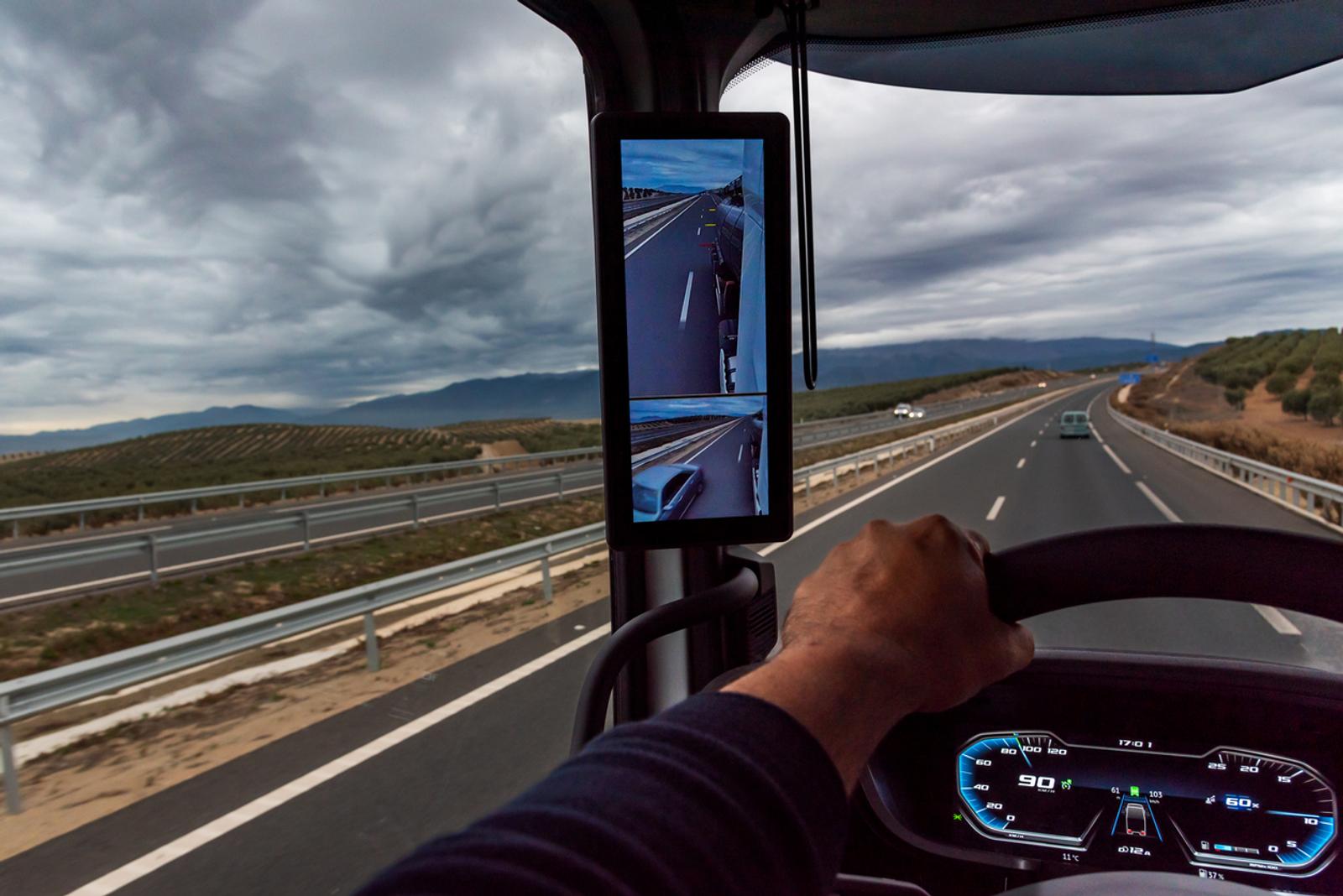
In-cab dash cameras for driver safety and incident documentation
Every day, commercial truck drivers face hazardous road conditions, aggressive drivers, and split-second decisions that can result in accidents. When incidents occur, determining fault often comes down to "he said, she said"—a costly situation for fleet operators facing fraudulent claims. According to the American Transportation Research Institute, the average cost of a trucking accident lawsuit exceeds $300,000. Nuclear verdicts of jury awards exceeding $10 million have increased by over 300% in the past decade.
Video telematics systems, equipped with forward-facing and driver-facing dash cameras, serve as an unbiased, persistent witness to every aspect of a vehicle's journey and driver performance. Far exceeding the capabilities of simple recording devices, modern, AI-powered systems are reinventing fleet safety and operations through advanced features.
Proactive risk mitigation and behavior correction
Advanced algorithms automatically and instantly detect and flag a wide range of risky driving behaviors. This includes common issues like hard braking, rapid acceleration, and aggressive cornering, as well as critical safety concerns such as distracted driving (e.g., cell phone use, eating) or dangerous maneuvers like lane departure without signaling and following too closely. These immediate alerts allow fleet managers to intervene before an incident occurs, fostering a culture of safety.
Comprehensive incident documentation
In the event of a collision or near-miss, the system ensures that every critical piece of evidence is captured. Cameras record continuous footage, and the system automatically saves detailed video clips spanning the crucial moments before, during, and after the impact. This footage is complemented by a rich dataset that includes precise timestamps, GPS coordinates, vehicle speed, and G-force readings, providing a complete, verifiable context for the event.
Defense against fraudulent claims and liability
The detailed, timestamped, and GPS-tagged video evidence is invaluable for quickly and definitively exonerating drivers and fleet owners from fraudulent claims, "crash-for-cash" schemes, or disputes over fault. By presenting irrefutable proof of what truly transpired, these systems significantly reduce legal costs, minimize liability exposure, and protect the reputations of professional drivers.
Structured driver development and coaching
The data and footage collected by telematics enable safety managers to move beyond generic training. They can review specific instances of risky behavior or exemplary driving captured on video and use this personalized, objective feedback to conduct targeted, remote coaching sessions. This capability facilitates a continuous improvement loop, allowing fleets to refine driver skills, enforce safety policies, and reward positive driving habits, ultimately leading to a more professional and safer driving workforce.
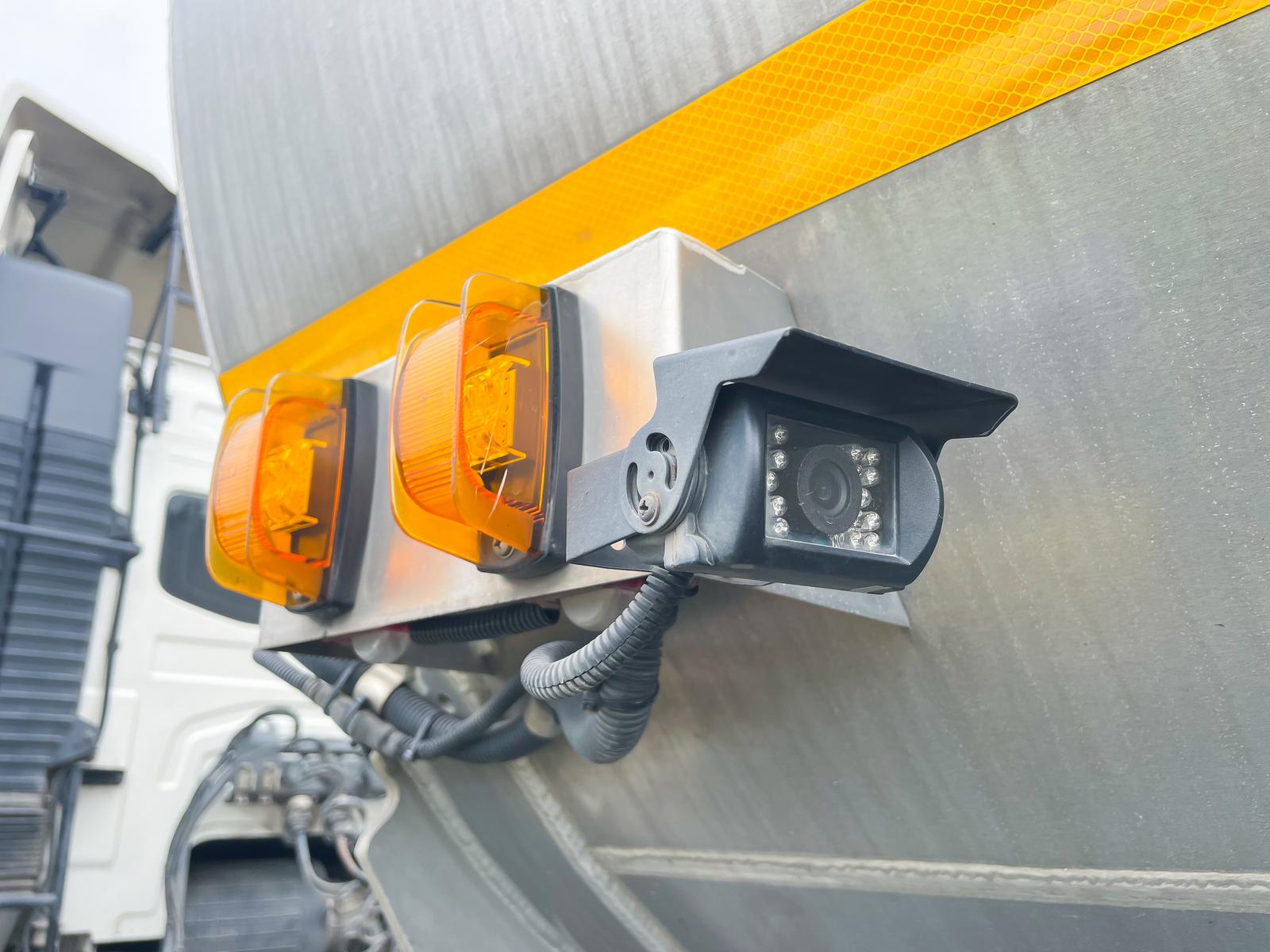
Cargo area surveillance to prevent theft and tampering
Cargo theft is a persistent and growing problem. The most targeted commodities include electronics, pharmaceuticals, food and beverage, and automotive parts. Thieves have become increasingly sophisticated, using GPS jammers, fake identities, and organized networks to intercept shipments. Beyond outright theft, tampering with temperature-sensitive cargo (like vaccines, produce, or chemicals) can result in millions of dollars in spoiled goods and serious liability issues.
Interior cargo cameras, when integrated with a suite of sophisticated sensors, establish a comprehensive and formidable security ecosystem for valuable freight. This system goes far beyond simple surveillance, offering proactive protection and forensic capabilities throughout the entire shipping journey.
Real-time alerts for unauthorized access
Cargo theft systems immediately registers and reports unexpected or unscheduled opening of trailer doors. Door sensors, integrated directly with the telematics platform, instantly generate alerts delivered to security personnel and fleet managers, allowing for immediate intervention or investigation.
Intelligent motion detection and automated recording
During periods when the cargo area should be secured—such as during layovers, at depots, or after hours—motion detection capabilities become a vital defense. Any unauthorized movement within the trailer triggers high-definition video recording, capturing clear evidence of intrusion or tampering without relying solely on passive, continuous recording.
Visual verification of cargo integrity
Cameras provide essential proof of condition at the most vulnerable transfer points. At pickup, a visual record verifies the state and quantity of the cargo loaded. Upon delivery, the visual evidence confirms that the goods remained secure and undamaged throughout transit, significantly reducing disputes related to claims and liability.
Environmental monitoring for specialized goods
For sensitive shipments, the security ecosystem is enhanced with environmental monitors. These sensors continuously track conditions such as temperature, humidity, and light exposure. Real-time alerts are generated if conditions deviate from acceptable parameters, preventing damage to perishable or high-value commodities (e.g., pharmaceuticals, electronics) that could occur even without physical theft.
Seamless integration with GPS and geofencing
The entire security framework is tightly interwoven with GPS tracking. This integration provides the crucial context of where and when a security event occurs. For instance, door-open alerts are immediately correlated with the vehicle's precise location. Geofencing capabilities can designate authorized locations (e.g., approved distribution centers) where the door can be legitimately opened, triggering a high-priority alert if the door is opened anywhere else, fundamentally transforming reactive monitoring into predictive risk mitigation.
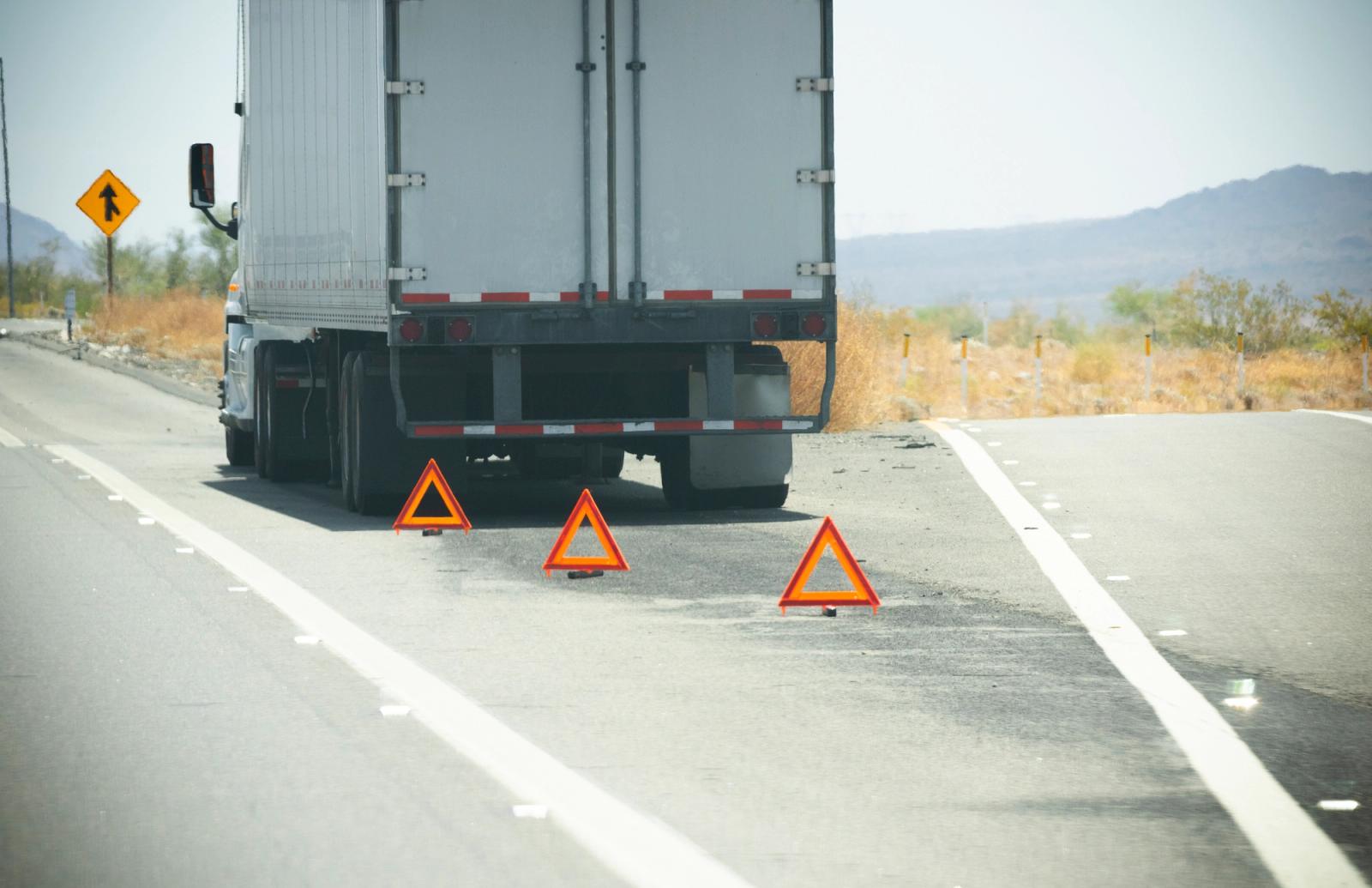
Real-time fleet monitoring for route security and compliance
High-value shipments, especially pharmaceuticals, electronics, and luxury goods, are prime targets for organized theft rings. Criminals monitor shipping patterns, identify vulnerable routes, and strike when trucks deviate from expected paths or stop in unsecured locations. Compliance adds another layer of complexity. Hours-of-service regulations, mandated rest stops, and route restrictions require detailed documentation that manual logs can't reliably provide.
Integrated video telematics platforms are fundamentally reshaping the landscape of security in shipping and trucking by merging diverse data streams and advanced analytics into a single, comprehensive solution. These systems combine multiple high-definition camera feeds, both in-cab and exterior, with essential vehicle data like GPS location, Electronic Logging Device (ELD) data, and sophisticated AI algorithms. This integration provides unparalleled fleet visibility and control, moving beyond simple tracking to predictive and proactive security management.
Geofencing and route deviation alerts
By setting virtual geographical boundaries (geofences) and approved route corridors, the platform can automatically generate instant alerts when a vehicle deviates from its pre-planned path or enters a restricted area. This functionality is critical for preventing cargo theft, identifying unauthorized use of company assets, and ensuring adherence to specific delivery schedules and secure logistics protocols.
Live video streaming for enhanced monitoring
Security operations centers (SOCs) and fleet managers can access real-time, high-resolution video streams from any camera on a vehicle. This capability is vital for monitoring high-value loads or sensitive materials, allowing security personnel to visually confirm an alert event, assess a threat level, and guide drivers through difficult or compromised situations in real-time.
Automated compliance documentation and evidence
The platform automatically records, timestamps, and securely stores video footage, correlating it with GPS and ELD data. This results in instant, indisputable documentation for regulatory compliance, insurance claims, and legal proceedings. For instance, in the event of an accident or security breach, the system provides comprehensive, timestamped video evidence that can expedite investigations and liability determination.
Instant and coordinated incident response
The combination of real-time location tracking (GPS), immediate visual confirmation via live video, and automated alerts drastically reduces incident response times. Fleet managers can instantly pinpoint the exact location of a vehicle facing an issue, confirm the nature of the emergency (e.g., collision, hijacking, unauthorized stop, disabled vehicle), and coordinate the appropriate response, whether dispatching emergency services or remotely disabling the vehicle, all based on accurate, real-time data.
These video telematics systems transform a fleet from a collection of isolated assets into a networked, intelligently monitored operation, creating a more secure and resilient supply chain.
How LYNX Logistics and Verkada are securing high-value assets
LYNX Logistics is a Northern California-based third-party logistics (3PL) company specializing in high-value assets. The company operates a 96,000-square-foot facility with 8,500 pallet locations near the Port of Oakland and Silicon Valley.
Challenge
LYNX is a leading player in the logistics and transport business known for handling high-value cargo. They needed to provide clients with real-time visibility over their assets, maintain strict compliance documentation, and proactively prevent errors, damages, and delays. Traditional methods like manually reviewing footage and pen-and-paper logbooks weren't cutting it.
The Verkada solution
LYNX chose Verkada’s integrated platform, which consolidates cameras, access control, intercoms, alarms, and air quality sensors into a unified Command interface. Hologram serves as Verkada’s connectivity partner, ensuring fast and reliable connectivity for the system. The new LYNX security and surveillance includes:
Multi-layered perimeter security: Parking lots and perimeters are protected with License Plate Recognition (LPR) cameras, alarms, and multiple buffer zones. The main entrance includes two gates, each controlled through Verkada with strategically placed cameras.
Efficient tracking and dispatch: The dispatch team can quickly retrieve footage by entering container IDs and specifying cameras or locations to narrow searches. Staff can identify exactly which employee unloaded each container, at which dock door, and for how long.
Real-time cargo monitoring: Hybrid cloud cameras monitor every corner of the facility. Vendors receive live web links to watch their cargo being unloaded, transported, and stored. Francisco can remotely check feeds via web browser or mobile app from anywhere.
Proactive safety and risk mitigation: AI-powered search helps verify safety standards are maintained, checking for employees wearing safety vests or ensuring certain forklifts are only used in designated areas. Issues are detected and addressed quickly to prevent accidents and equipment damage.
Results
The technology has become a major competitive differentiator, impressing auditors and winning client trust. The LYNX CEO noted "Our AI-powered capabilities set us apart in the market. This technological edge is why clients trust us with high-value items like medical devices." LYNX is now expanding to major cities across the U.S., bringing their advanced security infrastructure to new facilities.
Telematics creates significant connectivity challenges
While the applications of video telematics in shipping and trucking are diverse and powerful, they all share one foundational requirement: reliable, high-performance cellular connectivity. Without robust and intelligently managed connectivity, the sophisticated hardware and software of these security systems are rendered ineffective, leaving valuable assets vulnerable. Each system presents unique connectivity challenges.
Modern dash camera systems
These systems are a critical first line of defense, capturing high-definition (HD) or even 4K quality video footage. The value of this footage, however, hinges on its ability to be rapidly and securely uploaded to cloud platforms for immediate analysis, long-term storage, and use as legal evidence. This process demands a connectivity solution tailored to high-data-volume transmission.
High-bandwidth connectivity
The sheer size of HD and 4K video files necessitates connectivity capable of a high data throughput. This is essential to prevent system lag, ensuring that footage is uploaded quickly and efficiently without consuming excessive device processing power or battery life, which could otherwise be used for continuous recording.
Multi-carrier coverage and redundancy
Commercial trucking and shipping routes cover the entire spectrum of terrain, from densely populated urban areas with strong service to sparsely covered rural and remote corridors. A single-carrier solution introduces risk. Multi-carrier coverage offers the ability to seamlessly connect to the strongest available network from multiple providers. This is vital to maintain a persistent connection, regardless of geographical location.
Automatic failover
Gaps in footage are security vulnerabilities. The system must incorporate automatic failover technology to instantly and intelligently switch between cellular networks (e.g., from Carrier A to Carrier B, or from 4G/LTE to 5G) the moment a signal weakens or fails. This seamless transition is the core mechanism that prevents the critical connectivity gaps and ensures an unbroken chain of video evidence.
Cargo surveillance systems
Cargo surveillance systems face unique and often more complex connectivity challenges than those mounted solely in the cab. These systems are responsible for monitoring the contents of the trailer or container, meaning their operational routes and environments are far less predictable and subject to higher security risks.
Complex regional and international carrier variability
Shipping routes frequently cross multiple state, provincial, and even national borders. The patchwork of available carrier coverage, frequency bands, and regulatory environments changes significantly across these regions. The connectivity solution must offer true global SIM capability with pre-negotiated roaming agreements to ensure the device remains connected and compliant in every jurisdiction it enters.
Real-time, incident-driven video accessibility
When a security incident occurs, such as an unauthorized door opening, internal movement, or a container breach, security teams cannot wait for delayed or buffered footage. The video feed must be accessible in real time to enable immediate threat assessment and dispatch of local security or law enforcement, transforming the system from a passive recorder into an active defense tool.
Critical outage protection
For cargo surveillance, the consequences of a connectivity failure are severe. A connectivity gap during a theft, breach, or diversion is unacceptable, as it blinds the security team at the exact moment their intervention is most needed. Robust connectivity must be treated as a mission-critical utility, backed by hardware and service-level agreements (SLAs) designed to maximize uptime and prevent any lapse in reporting or video transmission.
Real-time fleet monitoring
Often fleet monitoring involves multiple cameras simultaneously streaming live video from various points on a vehicle (driver-facing, side views, rear views). This represents the most technically demanding video telematics application. The goal is to provide a complete, instantaneous operational and security picture.
Low latency is non-negotiable
For security teams to use live feeds for intervention or driver coaching, the footage cannot be significantly delayed. Low latency is essential—meaning the time between the camera capturing the image and the security team viewing it in the cloud must be minimal. This allows for genuine live response, not delayed analysis.
Continuous and resilient connectivity
These operations require continuous connectivity across the entire route, especially in challenging environments like tunnels, remote "dead zones," and complex border crossings. The connectivity platform must actively manage the connection to maintain high signal quality and bandwidth, even when transitioning between disparate network technologies.
High data throughput for multi-stream support
A single vehicle may simultaneously stream from two, three, or more high-resolution cameras. This places an extraordinary burden on the network. The solution must provide high data throughput to reliably support these multiple, simultaneous video streams without degradation in quality or increased latency.
Global coverage for international shipping operations
For truly international logistics companies and shipping lines, the connectivity solution must offer reliable, high performance global coverage. This requires a SIM and network infrastructure built specifically to handle the regulatory, technical, and commercial complexities of connectivity across dozens of countries, ensuring that a container leaving a port in Asia remains securely monitored through its entire journey across continents to its final destination.
The road ahead for video telematics
Video telematics is no longer a "nice-to-have" for shipping and trucking companies. It's becoming a business necessity. Insurance companies are offering significant premium reductions for fleets with comprehensive video coverage. Shippers are requiring real-time visibility as a condition of contracts. And the technology itself continues to advance, with AI-powered analytics turning raw footage into actionable intelligence.
But the sophistication of your cameras doesn't matter if they can't stay connected. As you evaluate video telematics solutions, make sure you're equally focused on the connectivity layer that makes everything possible.