See, track, and act anywhere
Video and telematics pairs connected cameras with vehicle and asset sensors to capture what happens and where. Cellular IoT carries that live data from moving, remote assets straight back to your team.
Do more with cellular IoT
Manage every device
Provision, monitor, and troubleshoot cameras and sensors across cities and continents from one dashboard.
Move video faster
Stream high-definition footage over cellular with the uplink throughput and low latency live decisions need.
Stay online through outages
Multi-carrier cellular with automatic switching keeps devices connected when a single network fails.
Keep fleets and drivers safer
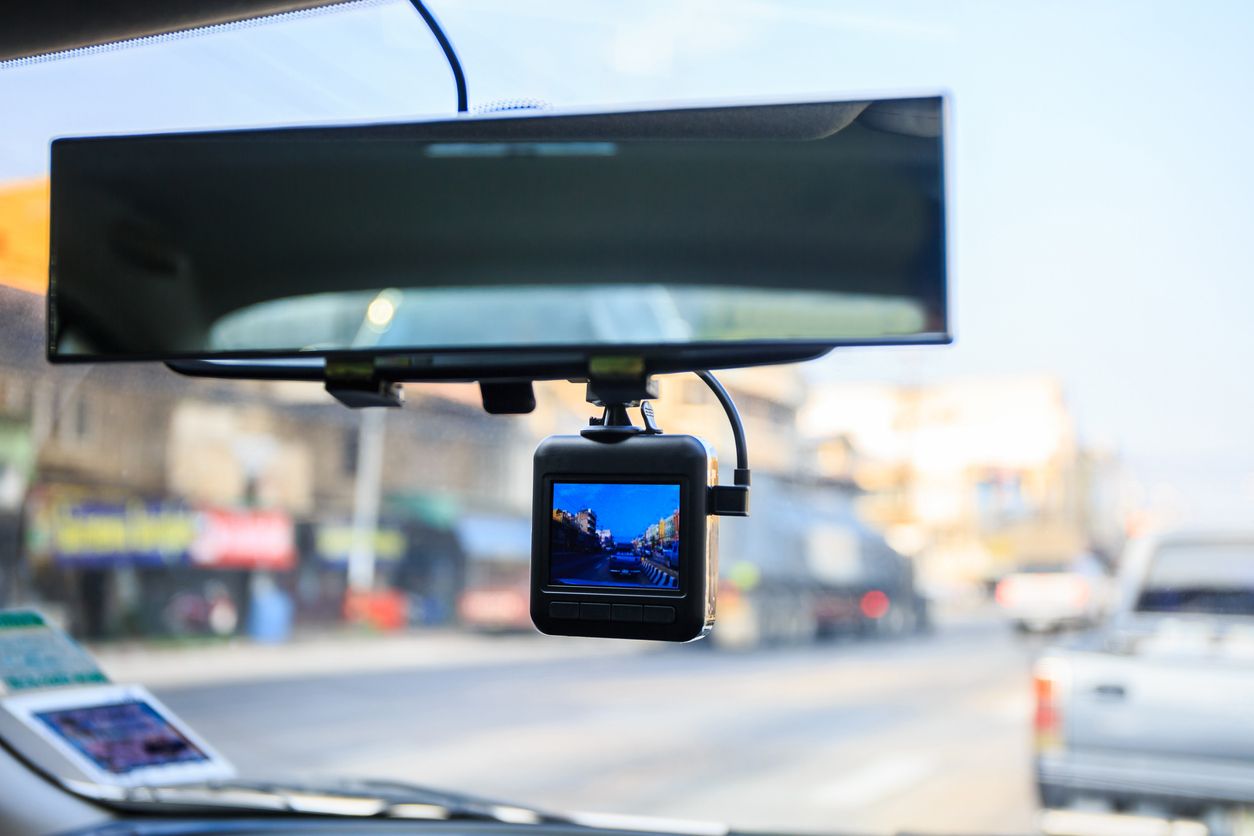
A dash cam catches a hard brake on a wet highway, and within seconds the driver hears a coaching alert. Road-facing video pairs with speed, braking, and location data, so risky moments become teachable ones. Cellular connectivity carries that footage and telematics off the vehicle in real time, with no depot Wi-Fi needed.
Protect sites without wiring
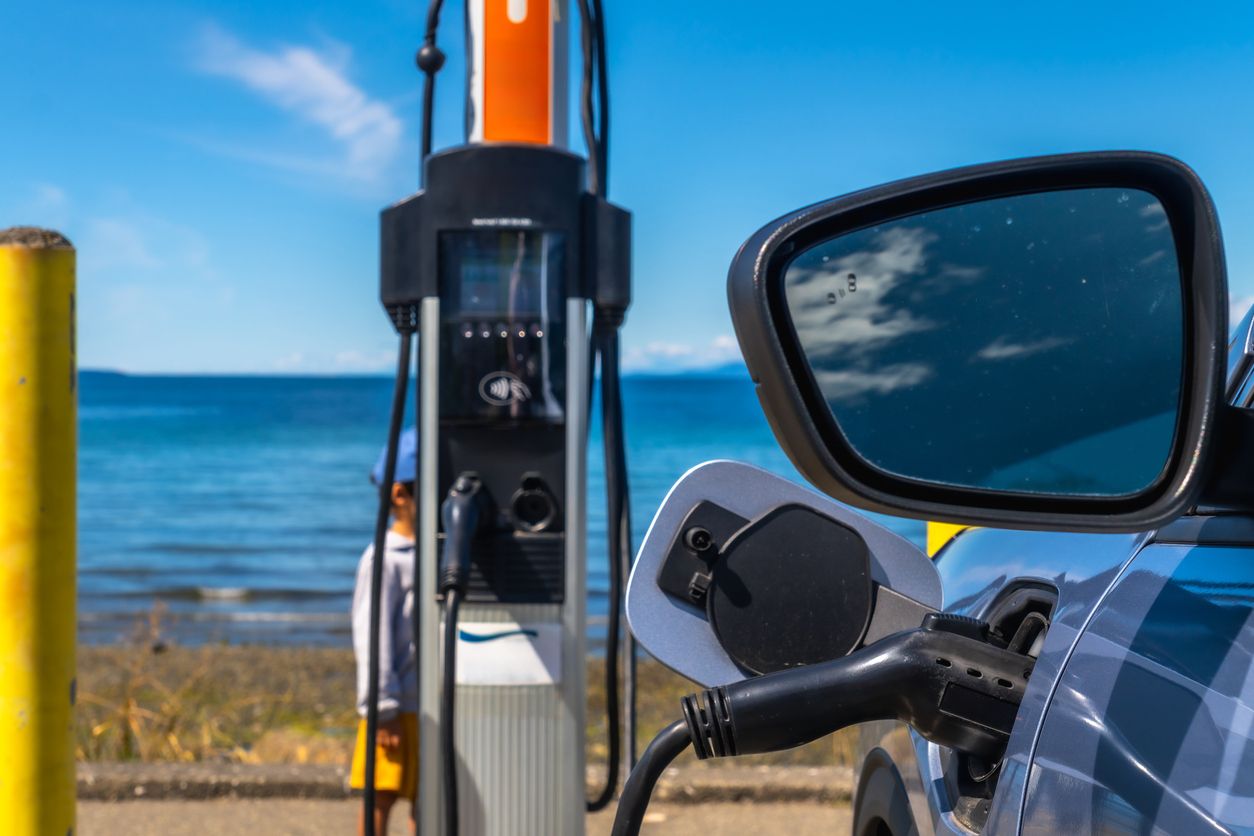
Cameras keep watch over a parking lot, an EV charging station, and a weekend pop-up event, none of them tied to a wired network. Battery and solar cameras go live in minutes wherever you set them up, then use cellular connectivity to stream footage into AI that flags anomalies and sends instant alerts to security teams.
Protect transit riders
A bus pulls away from a busy stop while onboard cameras stream the aisle and the driver's view to an operations center. Live video and location data help teams respond to incidents fast and keep riders safe across the route. Cellular connectivity keeps those feeds flowing as vehicles move between neighborhoods, depots, and city limits.

Read the store floor
Shoppers drift past an end-cap display, and cameras quietly count who stops and who keeps walking. In-store video analytics map foot traffic, measure dwell time, and connect movement to layout, so teams lift conversion and cut shrink. Cellular links send that data from pop-ups, kiosks, and brand-new locations before any fixed network is installed.

Watch over the herd
A drone sweeps a pasture at dawn, its thermal camera flagging one animal lagging behind the herd. GPS collars stream location while cameras handle automated headcounts and health checks across fields with no Wi-Fi for miles. Cellular backhaul carries all of it to the ranch office, turning a full-day ride into a morning glance at a screen.

Broadcast live from anywhere
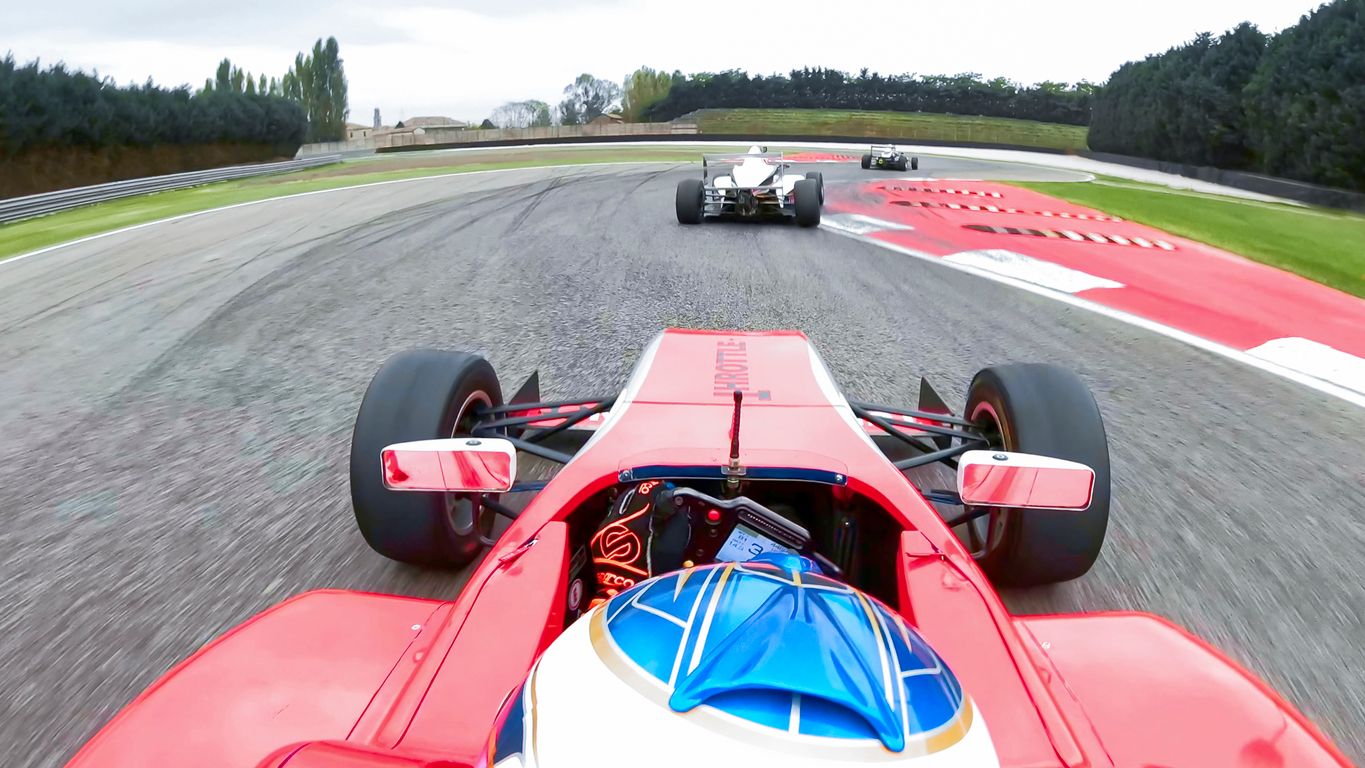
A camera rides in a race car, another sits trackside, and a third follows a youth match on a field with no fiber for miles. Bonded cellular units stream those multi-camera feeds with the low latency live production demands, replacing costly satellite trucks. Crews set up in minutes and go live from places a broadcast van could never reach.
Monitor remote wilderness
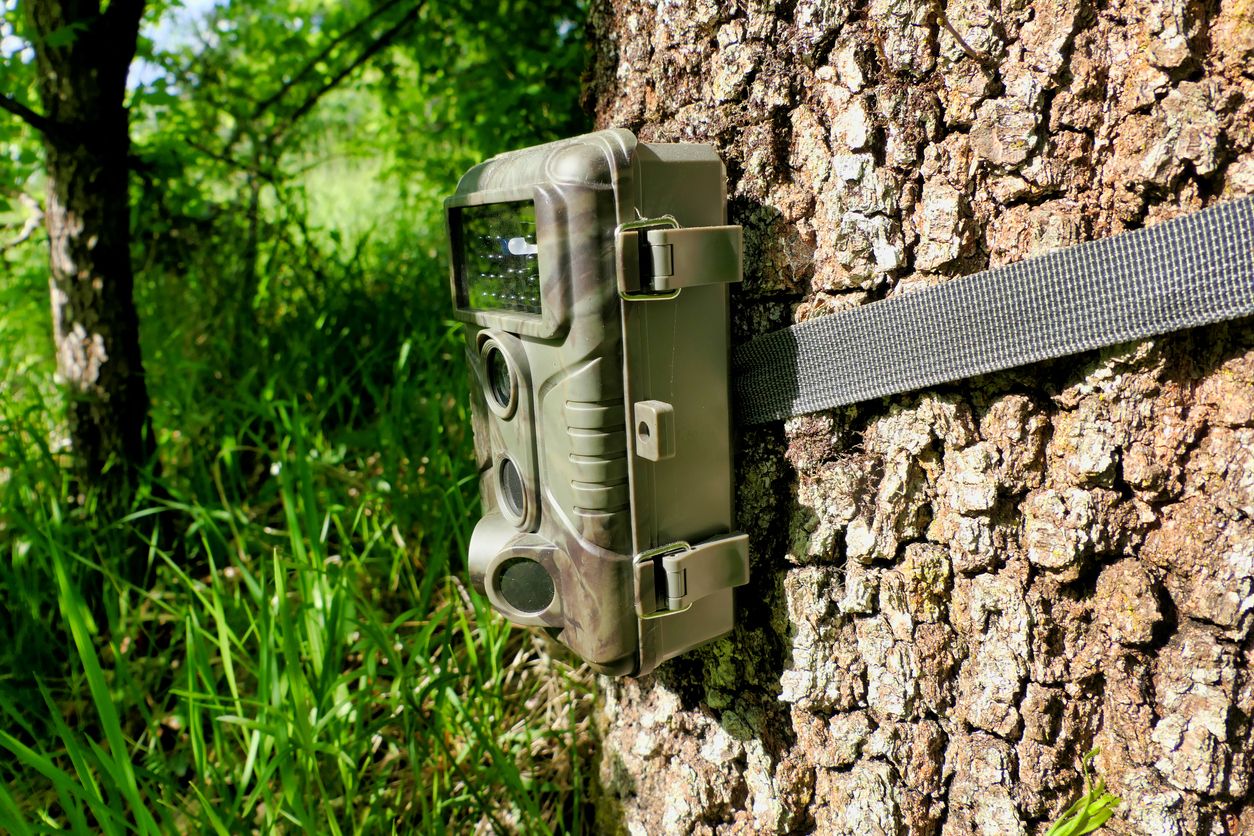
A solar-powered trail camera sits deep in rugged backcountry, snapping an image of a rare species at midnight. Instead of hiking in to swap memory cards, researchers get the shot over cellular, and AI flags species and possible poaching threats. The global trail camera market is projected to grow from 125.8 million USD in 2025 to 245.2 million USD by 2035, with cellular connectivity a core driver, according to Spherical Insights.
Where video and telematics are heading
In the next few years, live video will shift from a premium add-on to a standard layer of everyday operations. Fleets, transit systems, and remote sites will not just record what happened, they will act on it as it unfolds, with AI reading combined video and sensor feeds and triggering responses on its own.
Faster 5G links will let a ranch, a race track, or a research station run analysis at the edge and stream only what matters. As adoption becomes the default rather than the exception, cameras and sensors will grow into the everyday way businesses see and steer operations from anywhere.
Further reading
FAQs
How is video and telematics different from a regular security camera?
A standalone camera only shows you a picture. Video and telematics pairs that footage with location, speed, and condition data, then sends both back for real-time analysis. Together they tell you what happened and the full context around it
Why use cellular instead of Wi-Fi for connected cameras?
Vehicles, remote sites, and mobile cameras rarely have reliable Wi-Fi. Cellular gives them coverage across wide areas, so devices work out of the box without any local network setup. That makes cellular the practical choice for anything that moves or sits far from a building.
What role does 5G play in video and telematics?
Video is data heavy, and 5G delivers the higher uplink throughput and low latency that large, real-time streams need. That lets teams move high-definition footage and act on it in near real time. As 5G coverage widens, more demanding video use cases become practical in the field.
How do teams manage cameras and sensors spread across many locations?
A single management layer over cellular lets teams provision, monitor, and troubleshoot every device remotely. Operators can add new cameras, check status, and fix issues without visiting each site. That keeps large, dispersed deployments workable at any scale.
What keeps devices connected when one network fails?
Multi-carrier cellular with automatic switching moves a device to another network the moment its current one drops. For security, safety, and live production, that redundancy turns an outage from a real risk into a non-event.
—Max Shen, Sr. Product Marketing Manager, Verkada

“Partnering with Hologram was definitely the right decision for our team. It allowed us to get to market much faster.”
Max Shen
Sr. Product Marketing Manager, Verkada