Use cases
Connectivity for healthcare devices: Why cellular IoT wins
Learn about how cellular connectivity is keeping healthcare devices secure and reliably connected.

March 10, 2026
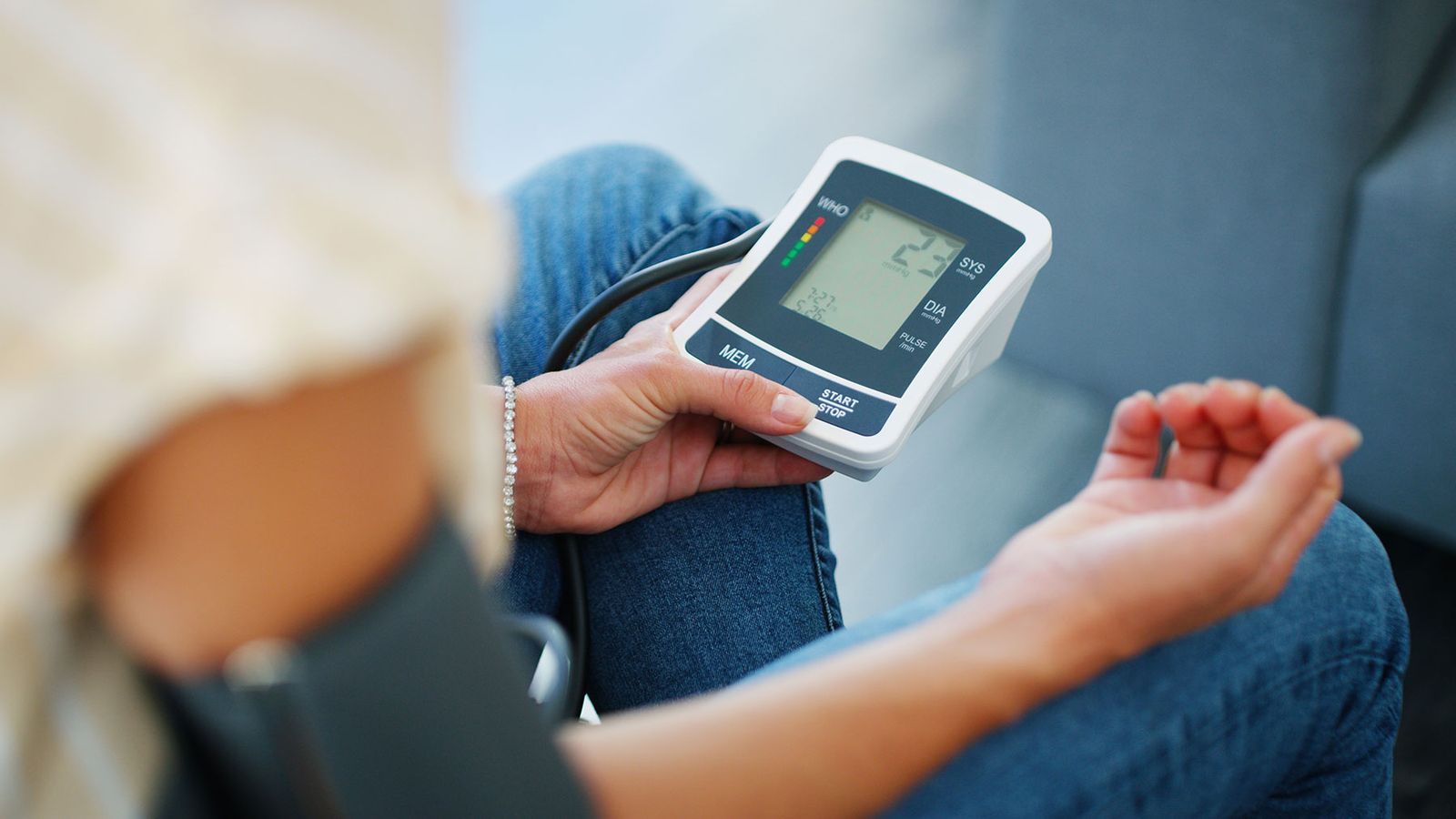
Healthcare has shifted from reactive treatment to proactive disease prevention and chronic condition monitoring. Connected healthcare devices now provide real-time insights into patient health—but only when they have reliable, always-on connectivity. Cellular IoT delivers the dependable connection these critical devices require.
Benefits of utilizing IoT connectivity in healthcare devices
IoT connectivity in healthcare devices delivers measurable advantages for patients and providers alike:
- Remote patient monitoring: Patients can be monitored continuously from home rather than in a hospital setting.
- Improved patient comfort: Less invasive monitoring reduces hospital visits and painful procedures.
- Better clinical decisions: Healthcare teams receive more comprehensive data to guide treatment plans.
- Enhanced wearable integration: Devices fit seamlessly into daily life, improving compliance and outcomes.
Recommended reading: Applications of IoT for Healthcare
Ideal solution for monitoring patients remotely
Continuous health monitoring once required hospital stays, like diabetics hooked to sensors overnight and respiratory patients tethered to O2 monitors for days. Cellular IoT frees patients from these constraints. Devices work anywhere with cellular coverage, collecting and transmitting data that enables timely, potentially life-saving interventions.
Recommended reading: The future of remote patient monitoring
IoT healthcare devices improve patient comfort
Cellular IoT can improve patient comfort by allowing patients to monitor conditions in the comfort of their own homes. During the Covid-19 pandemic, hospitals were at capacity, so some implemented remote patient monitoring programs. Patients could use devices like pulse oximeters at home and provide those readings to their care team. Not only did this relieve strain on the hospitals, but patients reported high satisfaction with the program.
Connected IoT devices also improve comfort by preventing illness and reducing invasive procedures. Examples include:
- Smart asthma inhalers: Help users identify attack patterns and avoid triggers.
- Ingestible sensors: Capture internal body data without the discomfort of endoscopies or colonoscopies.
IoT helps nurses & doctors make better decisions
Quality clinical decisions require quality data. Connected pulse oximeters, EKGs, and glucose monitors capture continuous health indicators that are far more comprehensive than periodic office visits. This richer dataset helps care teams spot abnormalities early and build tailored treatment plans.
Recommended reading: Connecting providers and patients
IoT wearable technology provides better monitoring of patients
Device convenience determines patient compliance. If a device is too cumbersome, patients won't use it. This has driven innovation in wearable form factors:
- Wearable headbands use EEG sensors to track sleep stages and sync data to smartphones for better sleep decisions.
- Smart bras with embedded sensors detect early signs of breast cancer.
Cellular IoT makes health monitoring unobtrusive enough that patients actually use it—especially for preventive care where symptoms aren't yet obvious.
Recommended reading: Wearable healthcare technology: 12 incredible IoT applications
Why cellular IoT connectivity is the best option for healthcare devices
Cellular IoT outperforms other connectivity options for healthcare because it delivers the longevity, security, reliability, and global reach that medical devices demand. Unlike Wi-Fi or Bluetooth, cellular connectivity works anywhere with network coverage with no configuration required.
Longevity
eUICC technology is enabling devices like IoT-connected pacemakers to be reprogrammed and updated without invasive surgery.
This capability enables:
- Bug fixes and security patches deployed over-the-air
- Software updates that keep pace with medical advancements
- Preventative maintenance without device replacement
The result: longer device lifespans and fewer surgical interventions for patients.
Recommended reading: 5 benefits of building with eUICC
Security
In healthcare IoT, security vulnerabilities carry life-or-death stakes. Malware altering an O2 monitor could skew medication dosing; a compromised MRI could lead to misdiagnosis.
Cellular IoT addresses these risks through:
- Built-in monitoring: Device-level systems detect unauthorized activity before damage occurs.
- Network encryption: Cellular networks provide encrypted data transmission for privacy and integrity.
- Continuous updates: Over-the-air security patches keep devices protected against emerging threats.
Reliability and global connectivity
Medical devices can't afford connectivity gaps. eUICC-enabled IoT SIM cards automatically switch to available networks when patients travel or move between coverage areas with no manual SIM swaps required.
Key reliability advantages:
- Seamless roaming: Devices transition between networks in real-time across borders.
- Broad compatibility: Works with LTE/4G networks, ensuring coverage even in areas with older infrastructure.
- Remote location support: Patients in rural or international locations stay connected.
No configuration or maintenance
Cellular IoT simplifies deployment for even complex medical devices. Network connection happens automatically with no patient configuration required. Connecting a blood pressure monitor or insulin pump is as seamless as activating a new cell phone.
Another key benefit of cellular connectivity for healthcare devices is the added durability and adaptability. Not only is an eUICC-compatible eSIM able to be updated remotely, but because they're soldered to the motherboard and sealed inside the IoT device, eSIMs are protected against the elements. This is incredibly valuable for devices that have to make it through the wear and tear of working wherever the patient takes them.
Other connectivity options for remote patient monitoring devices
Cellular is not the only option for medical IoT. Other connectivity technologies can handle some of the requirements of the healthcare community. Let's take a look at two of the most common alternative options.
Bluetooth
Common in devices like headphones or computer keyboards, this short-range protocol connects devices to other nearby devices. In the context of healthcare, it's commonly used to link a smaller device to a larger one with greater connectivity. For instance, insulin pumps connect to cell phones through Bluetooth to allow the patient to see that information. But a cellular network is still needed to get that information uploaded to their doctor.
There are both positives and negatives to this type of network. Some advantages are that Bluetooth is wireless and also does not require a line of sight. It also has very low power consumption which is important in battery-operated devices that dispense medication. But the disadvantages of Bluetooth outweigh the advantages in many cases. One concerning issue is security. Since Bluetooth devices have a lower bandwidth, they are easier to break into. Interference is also a problem, given that many other devices use similar frequencies. Bluetooth also can't handle large amounts of data. While Bluetooth is one of the most economical choices, there are many situations, like in a pacemaker or ventilator, where picking up interference and malfunctioning could be catastrophic.
Wi-Fi
Given how common Wi-Fi is in many people's homes, it seems like a natural option for monitoring patients through IoT. A Wi-Fi connection can handle a lot of data, and it is how most people access the internet, so there is a great deal of familiarity with the system. It's also fairly secure, with the option to set passwords and other configurable steps to access.
There are major disadvantages as well. A simple power outage could leave a medical device useless if the router goes out, and there are many places around the world where reliable wifi is hard to find. While some of these downsides might not be dealbreakers, one major issue is that potentially life-saving medical devices won't work whenever they leave the Wi-Fi range of the patients' houses. In short, the speed and reliability are there, but not the range.
Experience secure and uninterrupted coverage with Hologram's cellular connectivity for healthcare devices
The longevity, security, and reliability of cellular IoT make it the perfect choice for healthcare. More and more companies are entering the market with creative solutions that are helping doctors and patients. While there are other options for remote patient monitoring devices, cellular stands out as the ideal choice. Hologram offers easy, reliable, and versatile cellular IoT connectively for healthcare providers, businesses, and innovators.
FAQs
What are the connected devices in healthcare?
Connected healthcare devices include wearable fitness trackers, smartwatches, continuous glucose monitors, insulin pumps, remote patient monitoring systems, implantable cardiac devices like pacemakers and defibrillators, and infusion pumps that deliver controlled medication doses.
How does cellular IoT improve remote patient monitoring?
Cellular IoT enables patients to be monitored continuously from home rather than in a hospital, with devices transmitting health data automatically over cellular networks without requiring Wi-Fi setup or manual configuration.
Why is cellular connectivity more reliable than Wi-Fi for medical devices?
Cellular connectivity works anywhere with network coverage and continues functioning during power outages or when patients travel, while Wi-Fi stops working outside the router's range or when the power goes out.
What security advantages does cellular IoT offer for healthcare devices?
Cellular networks provide encrypted data transmission, built-in monitoring systems that detect unauthorized access, and over-the-air security updates that protect devices against emerging threats without requiring physical access.