Why your video telematics fail (and how to fix it)

Learn about the four biggest fleet connectivity challenges and proven solutions to ensure 99.95% uptime and reliable, real-time safety footage.
Video telematics systems are designed to give you a real-time superpower to see exactly what's happening with your fleet. But here's the catch: that superpower completely disappears the second cellular connectivity drops. When your dashcams can't upload that crucial footage, your GPS goes silent, or an important alert shows up hours later, that expensive technology meant to protect you just turns into a massive, frustrating blind spot.
Fleet managers face all sorts of connectivity headaches, from simply losing signal out in the country to complicated connectivity issues like cross-border roaming. This guide walks you through the four biggest connectivity issues for fleets and, more importantly, the proven fixes that can finally keep your video telematics uptime consistent.
Video telematics is poised for tremendous growth
Video telematics is a powerful fusion of technology, combining high-definition, AI-enabled cameras with precise GPS tracking and direct integration into a vehicle's onboard diagnostics. This setup goes far beyond simple location tracking, capturing a complete picture of operations by monitoring critical driver behaviors—like distracted driving or harsh braking—while simultaneously assessing external road conditions in real time.
However, the true power of this system is unlocked by its lifeline: robust cellular connectivity. This wireless link is responsible for transmitting massive volumes of high-resolution video footage and critical event data from a moving vehicle, often in challenging network environments, to a centralized cloud platform.
It's on this platform where fleet managers transform raw data into actionable intelligence, allowing them to review incidents, exonerate innocent drivers, and provide immediate, targeted coaching. Without a consistent, high-performance cellular connection, this entire proactive ecosystem collapses; the dashcam reverts to being a simple, isolated recording device, holding critical evidence hostage until it can be manually retrieved, by which time the opportunity to act has been lost.
Even with understanding these powerful benefits, you might be surprised by how big this market is. It’s already a huge $24.3 billion industry in 2024. And it's not slowing down. It's set to skyrocket at a rate of nearly 13% every year, on track to become a $78.6 billion industry by 2034. So, what’s fueling this explosive growth? It all boils down to what every fleet manager is focused on: saving money on things like fuel, keeping drivers and the public safe, and making sure they're staying compliant with government regulations.
Connectivity makes or breaks the deal
Let’s go back to connectivity for a minute. That’s the real challenge, and it's where most telematics solutions either succeed or fail in delivering business benefits. These two scenarios help explain why video telematics are so powerful and such a huge industry.
Safety response and incident management
A connected dashcam can alert you to harsh braking or a collision as it happens, while a disconnected one just stores video locally, turning it into a historical artifact that you might not see for hours or days. With a reliable cellular connection, a harsh braking event instantly triggers an alert and sends a short video clip to the cloud. A fleet manager can review that clip within seconds, understand the context—was it a near-miss that required skilled defensive driving, or a case of tailgating? That information can be used as an immediate coaching opportunity or for future training.
Was there an accident? In the critical moments after a collision, this means First Notification of Loss (FNOL) can begin instantly, emergency services can be dispatched, and the undeniable video evidence is already secure in the cloud, not sitting on an SD card that could be damaged or lost. Without that connection, the story is quite different. By the time the vehicle returns to the yard and someone manually pulls the SD card, the opportunity for real-time intervention is long gone.
That's not just a delay; it's a fundamental failure of the system's purpose. This stark difference between immediate visibility and delayed discovery is what makes connectivity quality just as important as the camera itself. It’s the very reason fleets report such dramatic results—like a 75% improvement in driver safety metrics after deploying AI-enabled video systems with reliable connectivity. Those gains don't come from just recording events, they come from the proactive, in-the-moment actions that only reliable, real-time connectivity makes possible.
Cost reductions and efficiencies
Video telematics doesn't just make things safer; it can also save money and boost efficiency. By securely tapping into the vehicle’s internal system, the system doesn't just stream video; it simultaneously pulls a huge amount of real-time diagnostic data—everything from precise fuel consumption and engine RPM to idle time, oil pressure, and critical fault codes.
This powerful mix means fleet managers don't just know where a truck is; they know the context of its journey, the stress on its engine, and the true cost of every mile driven. For example, instead of just seeing a "harsh acceleration" event, a manager can now see the corresponding spike in fuel consumption and engine strain, quantifying the exact cost of that driving habit.
This transforms maintenance from a reactive, costly emergency into a proactive, scheduled event, and turns fuel efficiency from a vague goal into a data-driven coaching program. It gives managers a complete operational command center, allowing them to see not just what's happening around their assets, but what's truly happening inside them. Preventive maintenance scheduling reduces repair costs by 20-30% alone.
Solving core connectivity challenges with cellular IoT
So, what are the biggest headaches that prevent fleet operators from unlocking the huge benefits of video telematics? Well, it often comes down to connectivity—or the lack thereof. Fleet operators are constantly battling connectivity obstacles. These range from the frustratingly simple—like basic cellular coverage gaps in remote areas—to the far more complex and bureaucratic issues, such as restrictive and expensive international roaming agreements.
Every time a vehicle loses its connection, it creates a serious blind spot for the fleet manager. They lose the ability to see exactly what’s happening with their vehicles and, critically, with their drivers at that moment. This isn't just an inconvenience; the financial and operational impact really starts to add up quickly. Let’s take a look at the top connectivity challenges and how cellular IoT helps deliver the reliability needed.
Challenge 1: Poor coverage and dead zones
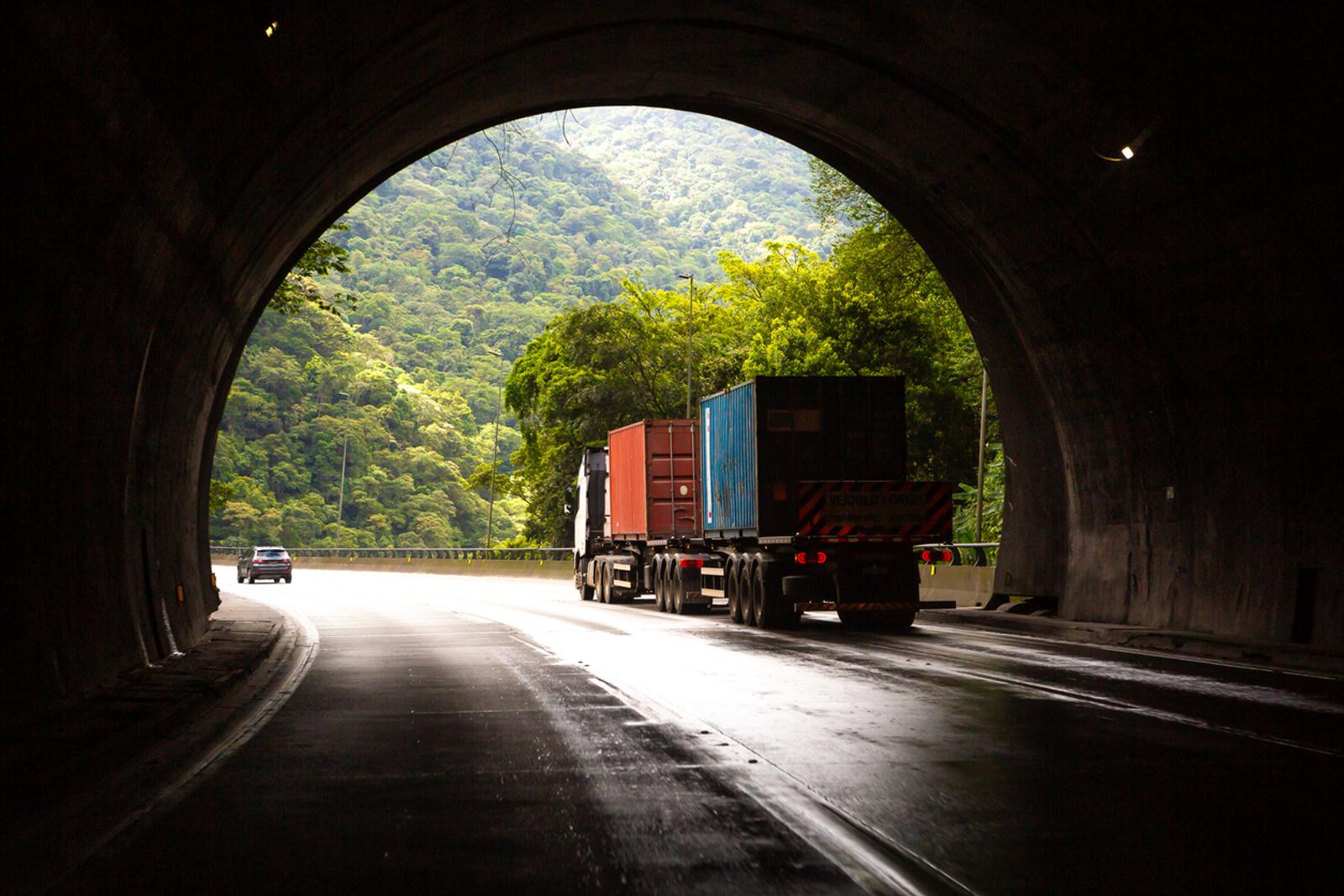
Vehicles traveling through rural highways, mountain passes, or tunnels regularly lose connection to their telematics platforms. Rural roads account for 71 percent of roads in the United States, with about 65% of the miles of the Interstate Highway System are in rural areas. In the European Union, around 80% of the road network length is located in rural areas. Approximately 89.5% of major road types (highways, primary, and secondary roads) in South America are outside of urban areas. These vast zones of low or no connectivity interrupt video streaming, delay alerts, and create gaps in GPS tracking that make it impossible to verify delivery times or reconstruct routes.
The problem gets worse for fleets operating across different regions. A single-carrier SIM might work perfectly in cities but fail completely in rural areas where that provider lacks infrastructure, leaving drivers invisible during significant portions of their routes. The SIM's dependence on that single network means that when the signal drops, the device loses its connection entirely.
This leaves drivers—and their vehicles—effectively "invisible" to the fleet management system during significant, and often high-risk, portions of their routes. Not only does this result in the loss of live-streaming video and real-time location data, but it also compromises the ability to upload event-triggered video clips—the evidence needed for accident reconstruction, driver coaching, and liability protection.
To make sure you never miss a critical moment due to a bad signal, leading video telematics systems have a built-in safety net with two key features: multi-carrier redundancy and intelligent store-and-forward buffering.
Eliminate dead zones with multi-carrier SIMs
Multi-carrier connectivity is a game-changer. It means your devices aren't stuck with just one cell network; they can hop between several, picking the one with the strongest signal. Think of it this way: if one carrier is giving you a weak signal, a multi-carrier SIM will automatically switch to a different network that has better coverage right where you are. This is how you finally eliminate those annoying dead zones—because if one network is out, another is usually there to back it up.
The redundancy works in cities too. Even in urban areas, individual carriers experience localized outages or congestion that disrupt connectivity. Multi-carrier systems route around problems automatically, maintaining uptime without manual intervention from fleet managers or drivers.
Ensure resiliency with local buffering
Here's how 'store-and-forward' works: if your video device loses its network connection, it temporarily stores all the video footage and data locally. The system keeps an eye on the connection, and as soon as the network is back online, it automatically uploads all that buffered content. That way, you don't lose any footage, even if the network is down for a while. Thanks to modern edge storage, these devices can hold hours of high-definition video right there on the unit. They'll even make sure the really important event footage gets uploaded right away, saving the routine recordings to send later.
Challenge 2: Carrier lock-in and single-point failure
Running a fleet with video telematics is all about seeing what's happening. But there's a hidden danger that can blind your entire operation in an instant—depending on only one cellular carrier. If that one carrier has a bad day—maybe it's a network outage, scheduled maintenance that goes sideways, or an infrastructure failure—your entire fleet's monitoring system goes dark simultaneously. That means you lose operational visibility, critical safety footage, and you might even breach your compliance or service agreements. Big problems, all at once.
Plus, using a single carrier often leads to what we call carrier lock-in. What happens when your fleet expands into new areas where your current provider's coverage is spotty? Or if their service quality starts to tank with dropped connections or sluggish data? Your hands are tied.
Historically, fixing this meant a nightmare: manually replacing every single physical SIM card across your entire fleet. That's a logistical headache, financially painful, and causes a ton of downtime. It basically leaves you captive to your original provider's quality and price, no matter how much things change.
Fortunately, the latest cellular IoT tech gives us two powerful, connected ways to break free from that single-carrier fragility: Multi-IMSI SIMs and smart, cloud-based failover.
Stay connected across different networks
Every device has a unique identity (the IMSI) that tells a network who it is. The game-changer is the Multi-IMSI SIM card. This isn't just one identity; it's a single physical chip that holds the identities for multiple, different carriers. This means your telematics device can hop onto any of those networks without ever touching the hardware.
The major benefit? Network switching becomes a software job, not a painful hardware replacement project. If your main carrier is unreliable or unavailable, the device's software and your management platform can automatically switch to an alternative carrier using one of the other IMSI profiles on that same SIM. Poof! Hours of potential downtime turn into a quick network flip.
Guarantee continuous uptime to preserve critical video
Cloud connectivity management platforms are the mission control for your fleet's cellular life. These smart systems constantly watch the health and performance of every device in real-time. Crucially, they're programmed with automated failover rules that kick in the second a problem is spotted, guaranteeing continuous uptime for your critical video data.
This goes beyond just spotting a complete network loss. These systems are designed to be proactive, detecting the subtle warning signs of degradation, such as laggy connections, repeated data transmission failures, or consistently weak signal strength. This automated intervention happens in seconds, not the hours or days a manual fix would take.
Near-instant carrier failover is absolutely vital for keeping your video telematics systems live, preserving your safety footage, and ensuring you meet all your regulatory and compliance needs, even when the unexpected happens.
Challenge 3: Cross-border roaming restrictions
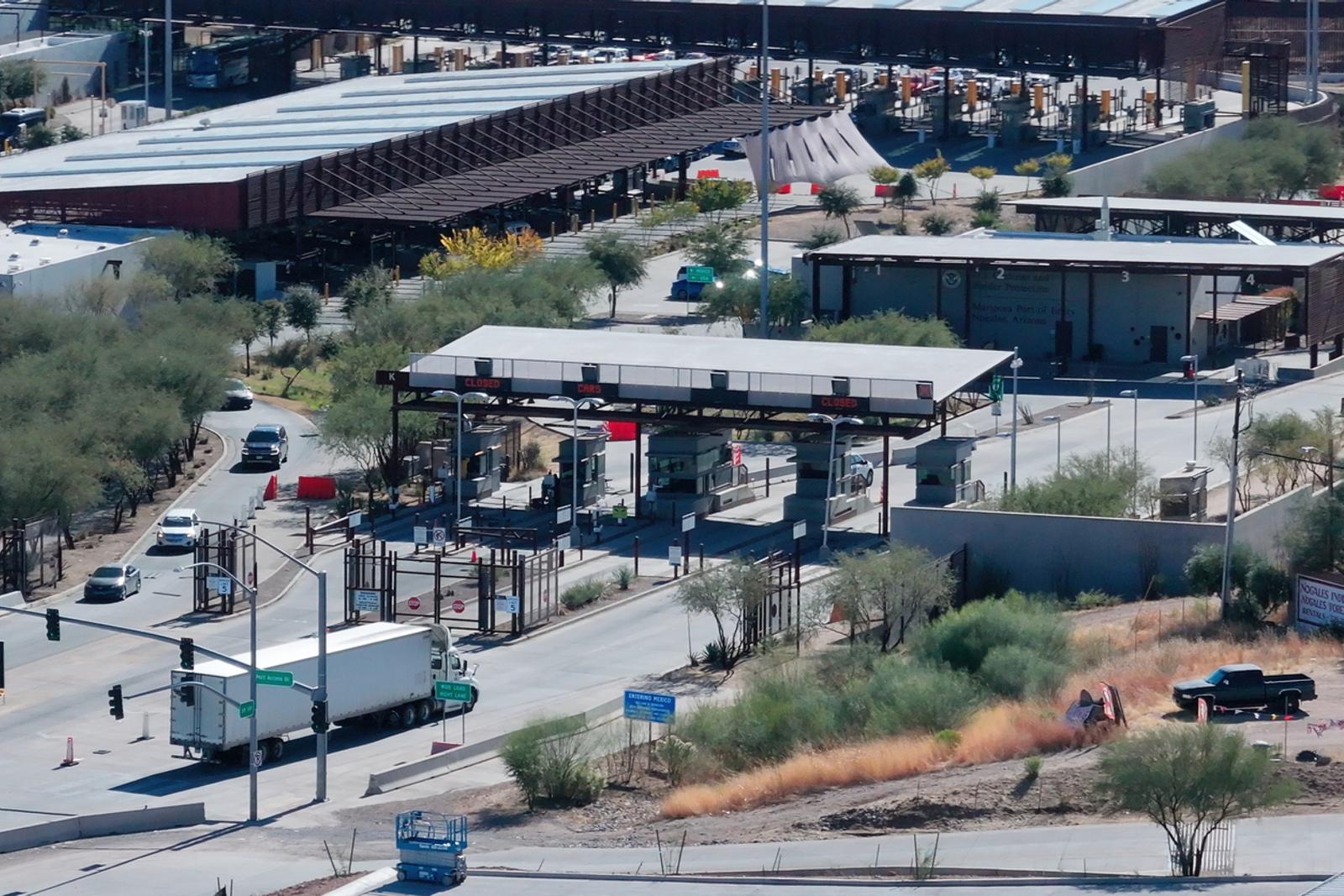
International fleet operations hit major connectivity walls the moment vehicles cross national borders. Traditional, single-carrier SIM cards are tethered to their home network and can face problems abroad, including strict permanent roaming regulations, different regulatory requirements, and service interruptions. A truck that maintains perfect, high-speed connectivity within one country can instantly become a digital ghost the moment it crosses into a neighboring territory, severing the link to GPS tracking, video uploads, and all other critical telematics functions. This isn't a niche issue; it's a challenge impacting an enormous volume of trade
Take for example the cross-border trade in North America where there is nearly $3.5 billion in daily cross-border freight shipments in oil and energy products, automobiles, electronics, and agricultural goods. Trucking continues to be the dominant form of freight transportation in North America, accounting for 55.5% of total flows with Canada and 72.5% with Mexico.
Beyond the technical issues lies a significant financial risk. Unpredictable and exorbitant roaming charges can make the use of high-bandwidth video telematics financially unsustainable for international routes. Fleet managers are often hit with "bill shock"—unexpectedly massive invoices that can kill an entire operational budget. To avoid this, some carriers simply block high-data roaming entirely or throttle data speeds to unusable levels, rendering a 4K dashcam practically useless.
This is where the right technology completely changes the game for international fleets, solving these problems with two key solutions.
Provision new carrier profiles remotely with EUICC technology
Think of Embedded Universal Integrated Circuit Card (eUICC) technology, or eSIM, like this: your devices can switch between cellular carriers remotely, without ever needing a physical SIM card swap. A device can keep its local network connection across different countries simply by downloading and activating the correct carrier profile for wherever it is. For fleet managers, this is huge. As vehicles cross borders, they can just provision a new carrier profile over-the-air. No more high roaming charges, and you keep that reliable local network performance.
Ensure compliance across your entire fleet, regardless of location
APNs, or Access Point Names, are essentially the gatekeepers for how your devices talk to cellular networks and send data to the right place. Think of them as special addresses. Having localized APNs is key because it lets your video telematics system connect to the network while following local data rules and security standards—we're talking about things like data sovereignty. Since different countries have different rules for cellular IoT devices, the correct APN setup helps you meet those local standards without having to mess with the hardware itself.
Challenge 4: High bandwidth costs and data caps
Let's face it: high-definition video streaming eats up a ton of cellular data. We're talking hundreds of gigabytes per month from just one continuously recording dashcam. Now, multiply that across a fleet of dozens or hundreds of vehicles, and suddenly, data costs are a huge operational headache. Plus, carriers often slap on data caps or throttle speeds after you hit a certain point, which means your video quality drops exactly when you need that clear footage the most.
And the cost isn't predictable, which makes budgeting tough. When you rely on event-triggered recording, your data use might be low during quiet periods, but it can spike dramatically during an incident, leaving you with wildly fluctuating overage charges month to month.
To control the high data costs of video telematics, the best platforms use a smart, two-pronged strategy that optimizes both the video files themselves and the way you pay for them.
Make the video itself more efficient
Let's start with the video file. Think about how Netflix or YouTube works on your phone. When you have a great signal, you get a beautiful, crisp picture. But if your connection gets weak, the video might get a little blurry, but the key is that it keeps playing. That’s exactly what adaptive bitrate does for your dashcams—it automatically adjusts the video quality to match the available network strength.
On top of that, smart cameras use edge compression. Before the video is even sent, the camera itself squeezes the file down, making it 50-80% smaller without sacrificing the critical details you need to see. The end result? You get usable footage even in areas with a weak signal, and you're not wasting a ton of expensive data sending massive HD files when you don't need to.
Pay for data more flexibly
Not every vehicle in your fleet uses the same amount of data. A long-haul truck might use a lot, while a local delivery van uses very little. So why would you pay the same fixed price for every vehicle? That’s where smarter data plans come in. Instead of a rigid monthly fee per vehicle, you can find a cellular provider that offers different types of data plans.
- Usage-based plans only charge for the data you actually use.
- Pooled data plans mean your SIMs sharing one giant bucket of data for the month.
- Many providers also offer custom data plans for volume discounts and pay-as-you-grow options.
Wait, there’s more
Want to stop your fleet video from cutting out? It's not about finding one magical solution; it’s about smart layering. The most reliable systems blend everything we’ve discussed above with intelligent device management and the latest cellular tech—like 5G—to handle the huge demands of video.
You can't fix what you can't see. That's why real-time monitoring of signal strength, data usage, and connection status is absolutely essential for keeping your distributed fleet up and running. Here are a few technical considerations to ensure your telematics deliver the results you need.
Choose the right connection: 5G vs. LTE Cat-1bis
Fifth-generation (5G) networks are a game-changer. They offer super-fast bandwidth and incredibly low latency, which is perfect for crisp, high-definition video streaming and instant feedback applications like live driver coaching.
But what if you need a middle ground? That's where LTE Cat-1bis comes in. It’s an optimized 4G technology designed for IoT. It's more cost-effective and uses less power than a full 5G setup, while still providing enough bandwidth for video.
- 5G is your power option: Think speeds over 1 Gbps and latency under 20 ms. It's ideal for complex, multi-camera systems.
- LTE Cat-1bis is your reliable workhorse: It offers speeds up to 10 Mbps, covers a much wider area than 5G, and the hardware is cheaper.
Plus, keep location in mind. 5G is mostly found in cities, but LTE gives you the geographic reach you need across rural areas.
See everything with device monitoring
Think of Application Programming Interfaces (APIs) as a window into the digital life of every device in your fleet. They give you programmatic, real-time access to critical data points: signal strength, how much data is being used, which carrier the device is connected to, and its network registration status.
You can use this data to build custom dashboards or integrate the connectivity health directly into your existing fleet management software. This level of visibility means you can spot problems early. If a device’s connectivity starts to degrade, you’ll know about it before it fails completely, giving your team time to investigate and resolve the issue proactively.
Some connectivity providers (like Hologram) offer dashboards to simplify the complexities of managing a global fleet of IoT devices without needing APIs. Dashboards enable fleet managers to monitor data usage, track device status, and troubleshoot connectivity issues in real time.
Learn more about how the Hologram Dashboard can help you manage your fleet.
How to know if your video telematics system is actually working
So you've invested in a state-of-the-art video telematics system. That's great! But how do you know if it's truly delivering on its promises? You don't need to be a tech expert to figure it out. By keeping an eye on a few key numbers, you can easily see what’s working, spot hidden problems, and make sure you're getting your money's worth.
Here are the three most important metrics to watch:
The heartbeat check: Uptime vs. outage length
Uptime tells you what percentage of the time your devices are actively talking to the cloud. But uptime alone doesn't tell the whole story. You also need to track how long an outage lasts when a connection drops. Think of it this way: a 99% uptime sounds great, but if that 1% of downtime happens in one eight-hour chunk during a critical delivery, it’s a disaster. On the other hand, a slightly lower uptime with a bunch of tiny, 10-second drops might be less of a problem. Tracking both helps you understand if you're dealing with rare, major blackouts or frequent, annoying blips.
The bill check: Cost per gigabyte and overages
The key metric here is your cost per gigabyte. This number tells you exactly how efficient your data plan is. By tracking it, you can see if you're getting a good deal or if you need to adjust your plan or even change how your cameras compress video.
And don't forget to watch for overage fees. If you’re constantly getting hit with extra charges, it’s a huge red flag that your data plan isn't flexible enough for your fleet's real-world needs.
The speed test: How fast can you see the footage?
This might be the most important metric of all. When an accident happens, how quickly can you actually watch the video? This is your incident footage retrieval time. If you can see the footage in seconds, you can respond immediately—coaching the driver, starting the insurance claim, and managing the situation. But if it takes hours (or until the truck gets back to the yard), you’ve lost the entire "real-time" advantage you paid for.
Slow retrieval times tell you there’s a bottleneck somewhere—it could be a weak network connection, inefficient video compression, or a system that isn't prioritizing the most critical event clips. At the end of the day, fast retrieval is what separates a true safety tool from just another recording device.
What slows it down? Things like weak network bandwidth, poor video compression, if your system prioritizes less-important footage, or if your store-and-forward system struggles during connection loss.
How to choose a global connectivity partner
Picking a connectivity partner for your fleet is a huge deal. You're not just buying a SIM card; you're choosing the lifeline for your entire video telematics system. The right partner understands the unique chaos of IoT and has the tools, the network, and the support to keep you online, no matter what. Here are the top questions to ask.
Do they have real-world coverage, or just a pretty map?
Any provider can show you a slick map and claim "nationwide" or "global" coverage. But you know the real world is a lot messier. What happens when your truck goes inside a concrete warehouse, drives through a rural dead zone, or parks in an underground garage? That's where a single-carrier's promises fall apart.
Why Hologram?
Hologram changes the game by not relying on just one network. Our single, smart SIM gives your devices access to over 550 carriers in 190+ countries. Think of it as having AT&T, T-Mobile, Verizon, and hundreds of other global networks all packed into one SIM.
Our technology automatically detects the strongest signal in any given location and seamlessly switches to it. This means you finally eliminate those frustrating dead zones because if one network is weak, another is almost always there to provide backup. You're not just buying one network's map; you're buying access to all of them.
Here’s how Hologram delivered the coverage and location accuracy for global logistics companies Escavox and Purfresh.
Hologram had the most coverage and location accuracy. As the global leader in terms of size and scale, they would be able to support our vision.
Do they offer a real uptime guarantee?
Anyone can say their network is reliable. But what happens when things go wrong? You need a partner who puts their money where their mouth is with a Service Level Agreement (SLA)—a real, binding contract that guarantees performance. This is especially critical for video telematics, where the footage is sensitive and uptime is non-negotiable.
Why Hologram?
We don't just promise reliability; we put it in writing. Hologram offers a contractually guaranteed 99.95% uptime with our Outage Protection feature. This isn't a marketing slogan; it's an engineering reality built on our innovative dual-core technology that provides redundant paths to the internet.
If a major carrier has a network-wide outage, your devices automatically fail over to a backup core, staying online when everyone else goes dark. This is backed by world-class security protocols to protect your data and 24/7 expert support, so you have a partner with real skin in the game.
Don’t just take our word for it. Hear from our customer Verkada how we helped them avoid downtime despite AT&T and Verizon.
The flexibility that Hologram provides helped us avoid downtime despite AT&T and Verizon outages this year.
Are their tools built for a fleet or a family plan?
Managing a dozen cell phones is one thing. Managing a thousand connected dashcams across the country is a whole different beast. You can't afford to be stuck with a clunky, consumer-grade portal that makes you manage devices one by one. You need powerful, fleet-scale tools designed to make managing hundreds or thousands of devices simple.
Why Hologram?
Our platform was built from the ground up for managing massive IoT deployments. The Hologram Dashboard is your single command center where you can activate hundreds of SIMs at once, see your entire fleet's data usage at a glance, and spot a device that's acting up in seconds.
With our powerful API, you can automate everything, from activating new devices to changing data plans. Best of all, you can perform Over-the-Air (OTA) updates and even switch a device's primary carrier profile remotely, from your desk. That means no more drowning in spreadsheets and no more expensive "truck rolls" just to swap a SIM card.
Hear how Sunday Power uses the Hologram Dashboard to lower both their time to issue identification and stress.
With Hologram, we get the ability to scale on top of systems that we trust and we get to do it in a cost-effective way.
Frequently Asked Questions about video telematics connectivity
How much bandwidth does an HD dashcam consume per hour?
High-definition dashcams typically consume 200-400 MB per hour of continuous recording, though actual usage varies significantly based on video resolution, frame rate, and compression settings. Event-triggered recording that captures only incidents rather than continuous footage can reduce monthly data consumption by 60-80% percent compared to always-on recording.
Do 5G networks really improve latency for live driver coaching?
5G networks provide latency as low as 10-20 milliseconds compared to 30-50 milliseconds for LTE, enabling more responsive real-time coaching applications where immediate feedback matters. However, actual performance depends heavily on 5G coverage availability in the specific locations where vehicles operate, as latency benefits only apply when devices can connect to 5G infrastructure rather than falling back to LTE networks.
How does data consumption change when moving from 720p to 1080p video telematics?
Upgrading from 720p (HD) to 1080p (Full HD) video can increase data consumption by approximately 50-100%, assuming the frame rate and compression remain constant. A 1080p stream might consume 400-800 MB per hour compared to 200-400 MB for a 720p stream, which could lead to significantly higher monthly data costs if not managed by adjusting compression, frame rate, or utilizing event-triggered recording.