Grow more with less guesswork
Smart agriculture runs farms on connected sensors, automation, and live data instead of guesswork. Cellular IoT carries that data from remote fields to your dashboard, with no local Wi-Fi needed.

Reinvent farming with Cellular IoT
Improve yield
Remotely monitor field sensors anywhere, without the need for Wi-Fi
Automate operations
Power connectivity for autonomous farm vehicles, robots, and drones
Harness data
Get real-time insights on when to plant, water, fertilize, and harvest crops
Water crops precisely
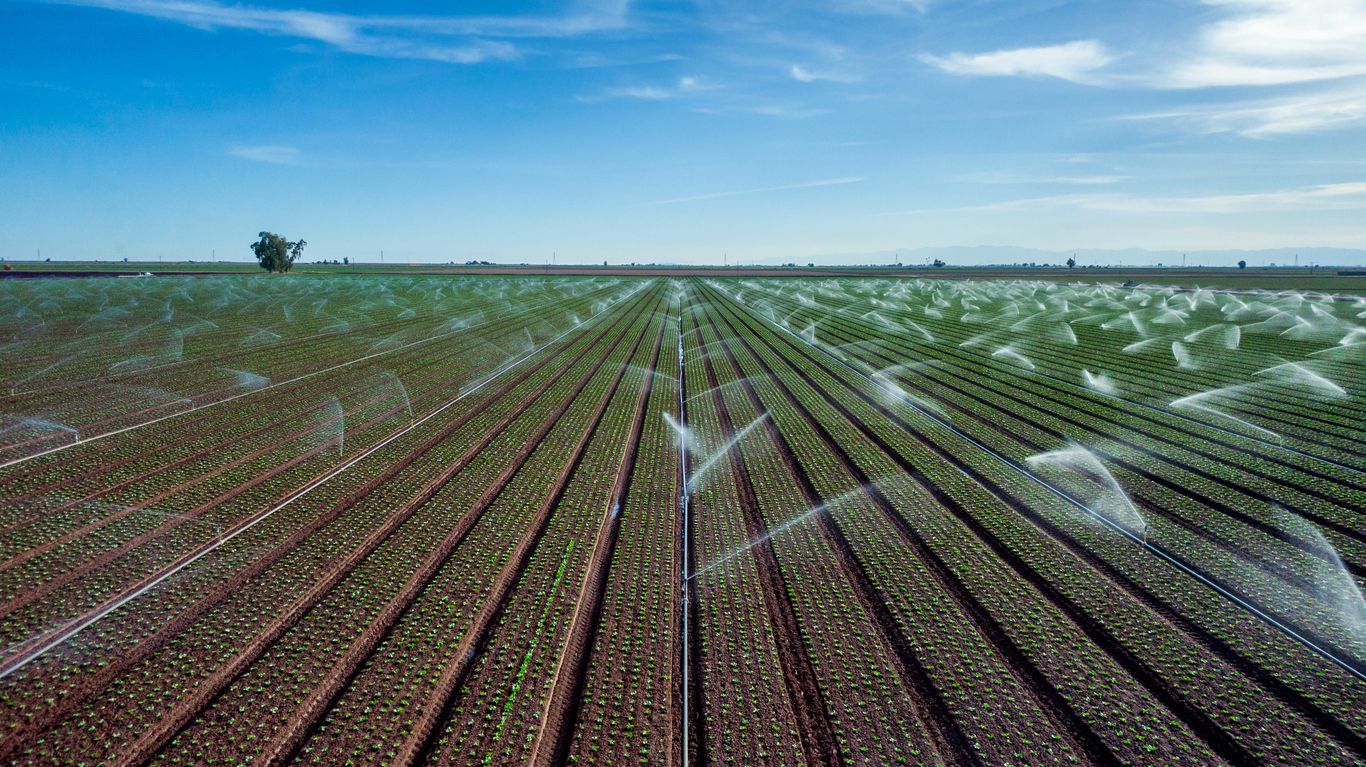
Soil-moisture, weather, and flow sensors sit right in the field, reading conditions row by row. They stream that data over cellular to automated controllers that open and close valves on their own, so each zone gets exactly the water it needs and not a drop more. Because the sensors run on cellular, they work across wide, remote acreage without any local Wi-Fi. It’s a huge global market projected to grow from 1.59 billion USD in 2025 to 2.65 billion USD by 2030 .
Manage crops with data
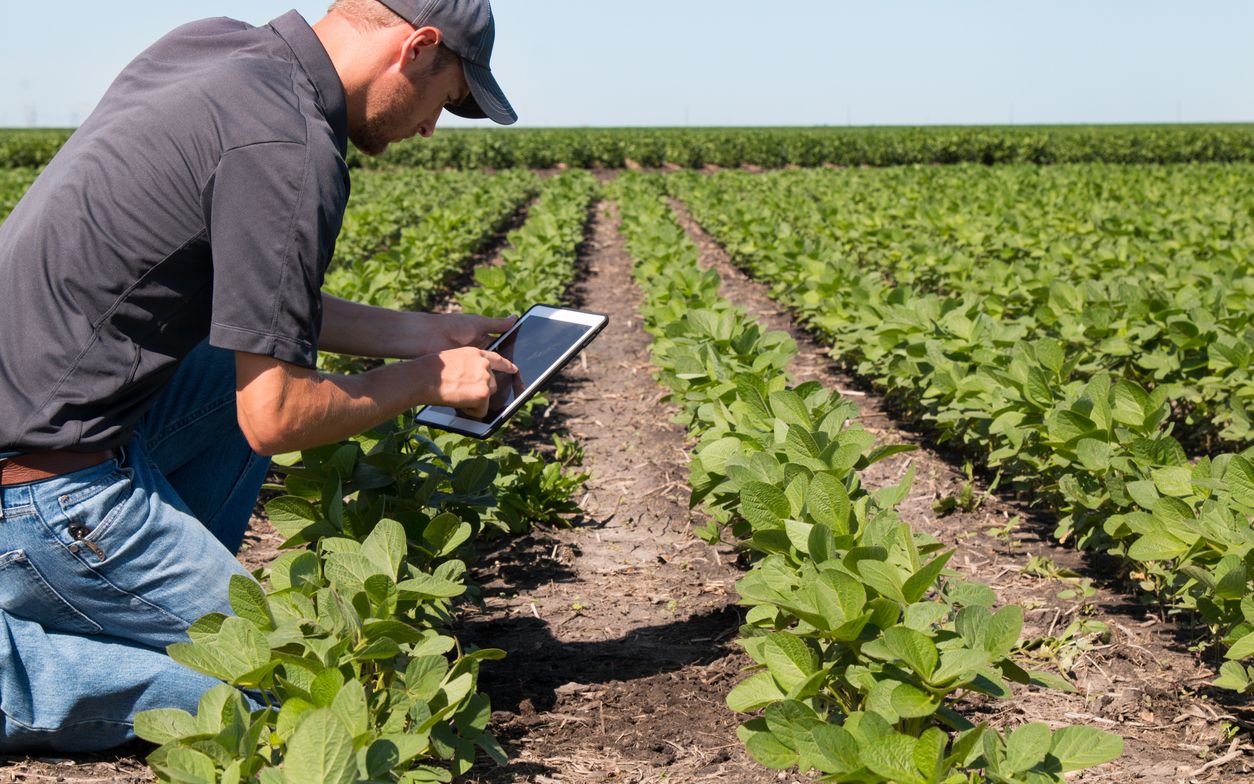
Picture a grower checking a single screen that maps crop health, soil nutrients, and moisture across every acre. Connected sensors, GPS-guided equipment, and scouting drones feed that map with a steady stream of field readings over cellular. With live data in hand, growers fine-tune planting, fertilizing, and harvest timing field by field instead of treating the whole farm the same way.
Fly crop-scouting drones
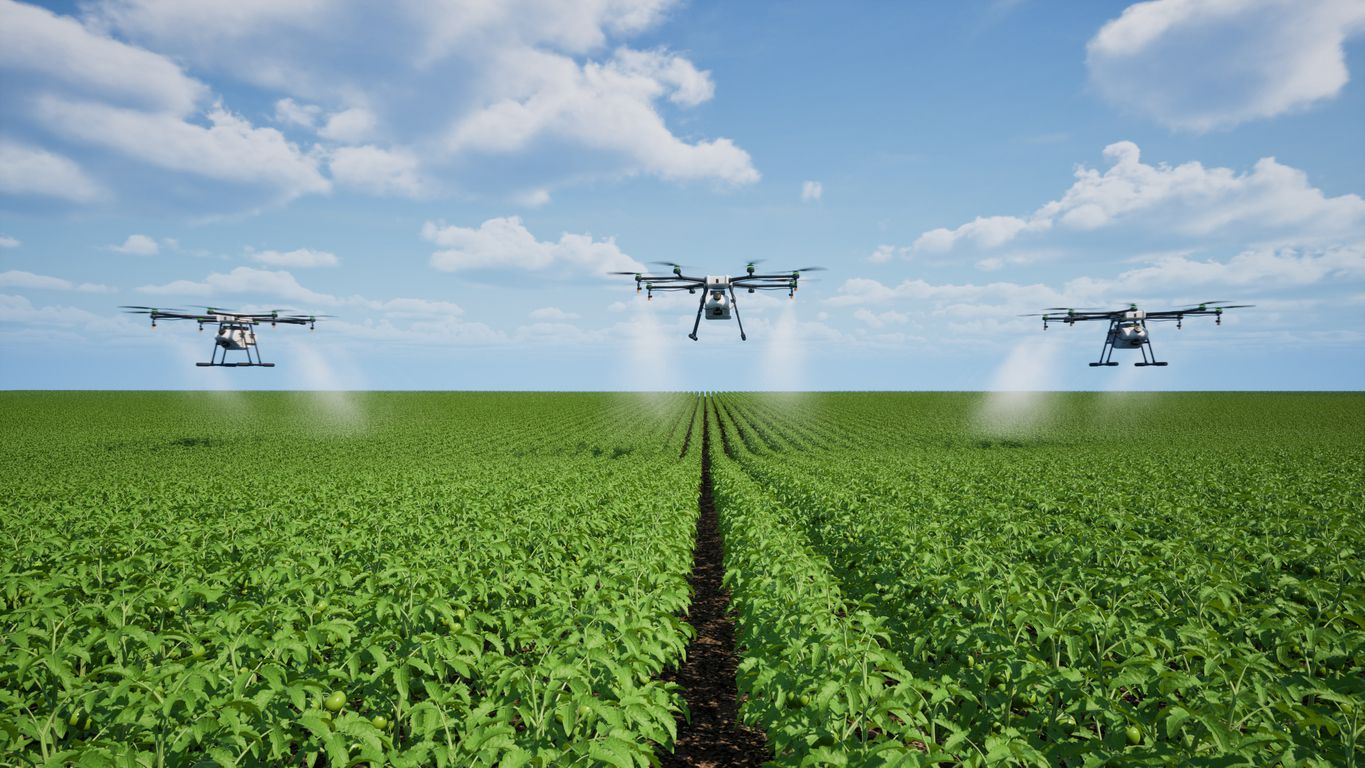
A drone lifts off at dawn and sweeps hundreds of acres, capturing images that reveal crop stress no one can spot from the ground. Cellular links carry command-and-control signals and real-time imagery back to the operator, and they keep whole fleets coordinated across large, remote fields. That live connection means a single flight can flag a pest outbreak or dry patch while there is still time to act.
Run driverless machinery
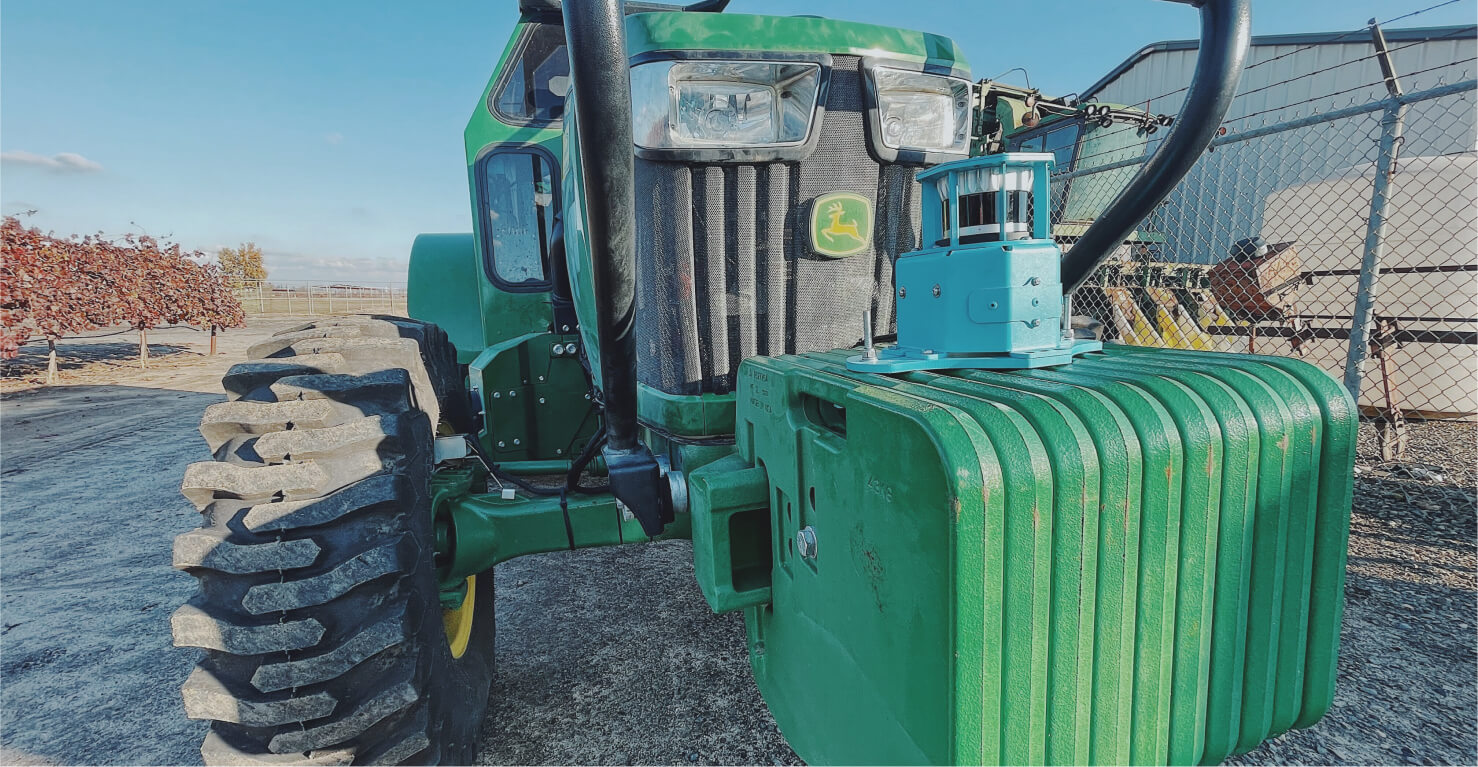
A tractor works the field through the night with no one in the cab, steering itself row to row within inches. LTE and 5G connections carry real-time telemetry, geofencing, and remote monitoring, and they push over-the-air updates to the machine without a service visit. If the tractor drifts outside its set boundary or hits a fault, the system flags it right away. That kind of hands-off operation helps farms keep working through labor shortages and tight planting windows.
Deploy robots
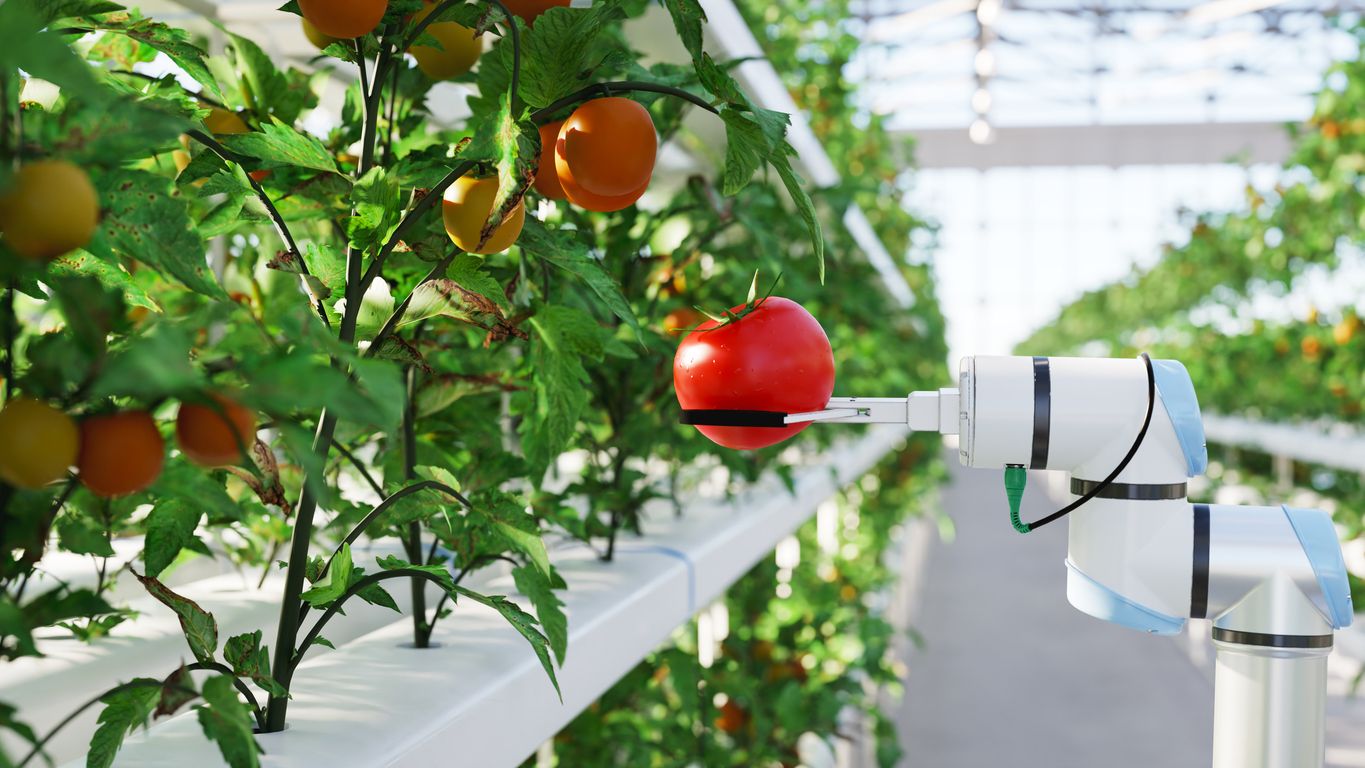
Small autonomous robots roll between the rows, pulling weeds, seeding, and picking with a steadiness that lasts all day. Autonomous picker robots detect ripe fruit and pick it. Cellular keeps unit in constant contact with central systems for remote diagnostics and coordinated multi-robot work. When one robot needs a software fix or a new task, it updates over the air.
Control greenhouse climate
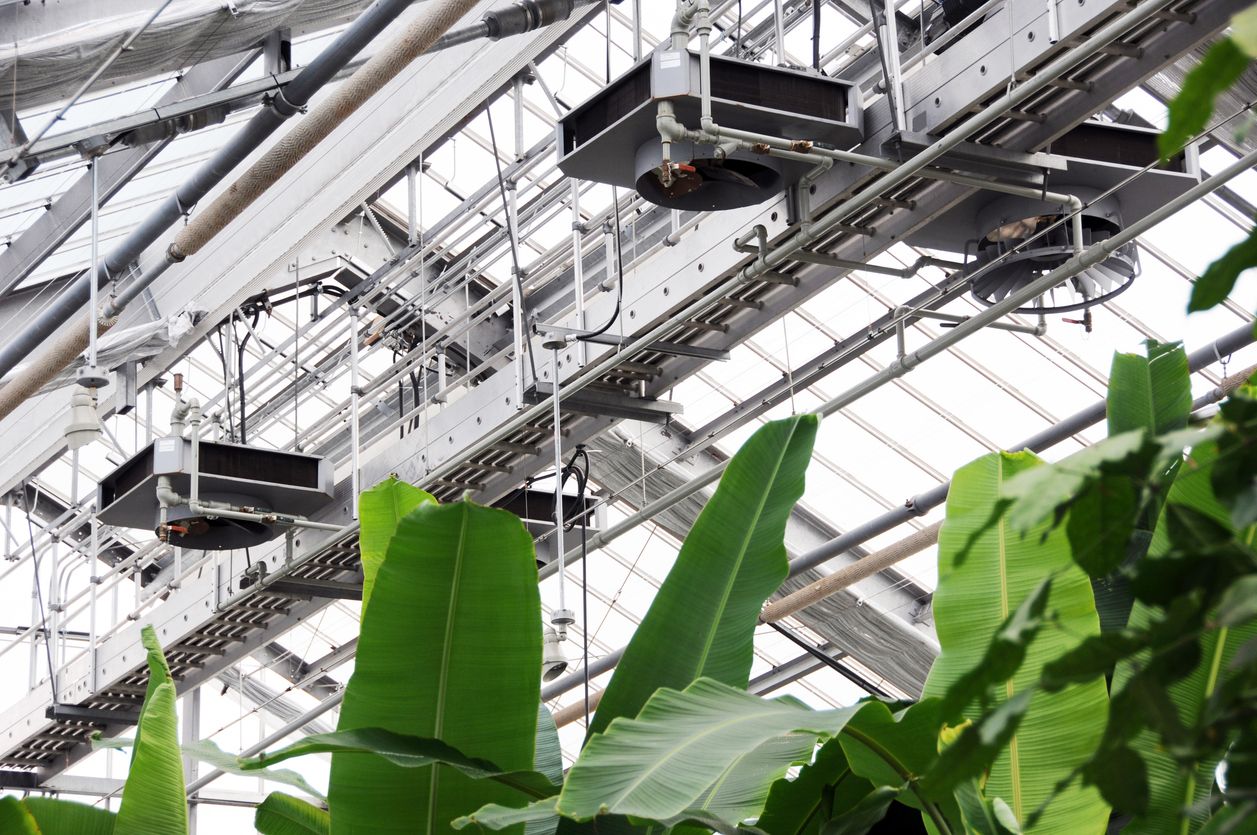
Inside a greenhouse, temperature, humidity, light, and irrigation all need to stay in a tight band for plants to thrive. Cellular sensors and controllers monitor and adjust climate, watering, and lighting in real time, even at remote sites where running wired infrastructure makes little sense. A grower can check conditions or change a setting from a phone miles away, and the system holds the environment steady around the clock.
Where smart agriculture is headed
Over the next few years, farms will shift from watching what already happened to acting before it does. As cellular networks, AI, and IoT sensors work together, growers will catch crop disease in its earliest hours, predict how a field will respond to weather, and let machines coordinate planting, watering, and harvest with little hands-on input. Faster, lower-latency 5G links will carry far richer data from the field, so a farm can run as one connected system rather than a set of separate tools. The result is agriculture that uses water, seed, and labor more precisely while feeding more people from the same land.
Further reading
FAQs
How does cellular IoT reach farms in remote areas with no Wi-Fi?
Cellular networks already cover most rural regions, so devices connect straight to nearby towers without any local Wi-Fi or wired setup. Many providers combine several carriers, which widens coverage across large, remote acreage and keeps sensors online as equipment moves from field to field.
What is the difference between LTE-M and NB-IoT for farm devices?
Both are low-power, wide-area cellular technologies built for small amounts of data and long battery life. LTE-M handles moving assets and slightly higher data rates, such as tracking machinery or livestock, while NB-IoT suits fixed, deep-coverage sensors like soil probes. Many field devices run for years on a single battery with either one.
How is farm data kept secure over cellular networks?
Cellular connections carry built-in SIM-based authentication and encryption between the device and the network, which raises the bar over open Wi-Fi. Teams can add private network access, VPNs, and locked-down data routing so field readings travel only where they should.
Can one connectivity setup work across different countries?
Yes. SIMs that roam across many carriers let a grower or equipment maker deploy the same device worldwide and stay connected across borders. That helps for machinery that ships internationally and for operations that farm in more than one region.
How do I choose the right cellular option for a farm project?
Match the network to what each device does. Fixed, low-data sensors fit low-power networks like NB-IoT, video-heavy drones and machinery need higher-throughput LTE or 5G, and multi-carrier SIMs help wherever coverage varies. Testing in real field conditions is the surest way to confirm the fit.

“Hologram gives us the ability to switch networks as needed and work with one vendor, not a lot of vendors.”
Yonatan Horovitz
Co-founder & Chief Autonomy Officer, FieldIn