Track every asset in motion
Asset tracking monitors where your vehicles, cargo, and equipment are and their status. Cellular IoT connects each one to mobile networks, streaming live location and condition data from anywhere.

Turn asset tracking into a competitive advantage
Streamline operations
Manage thousands of connected trackers from one dashboard, and provision new SIMs over the air.
Act before failures
Sensor data flags a struggling battery or an overheating engine early, so crews fix issues quickly.
Stay connected anywhere
Low-power networks and roaming keep a single tracker online across cities, borders, and open road.
Track assets in real time
A refrigerated trailer pulls out of a distribution center at dawn and heads across three states. A cellular tracker on its frame reports location every few minutes, so dispatchers watch its progress on a live map without a single phone call. This visibility is why the global asset tracking market reached 24.1 billion USD in 2024 and is projected to hit 51.6 billion USD by 2030 .

Monitor safety and condition
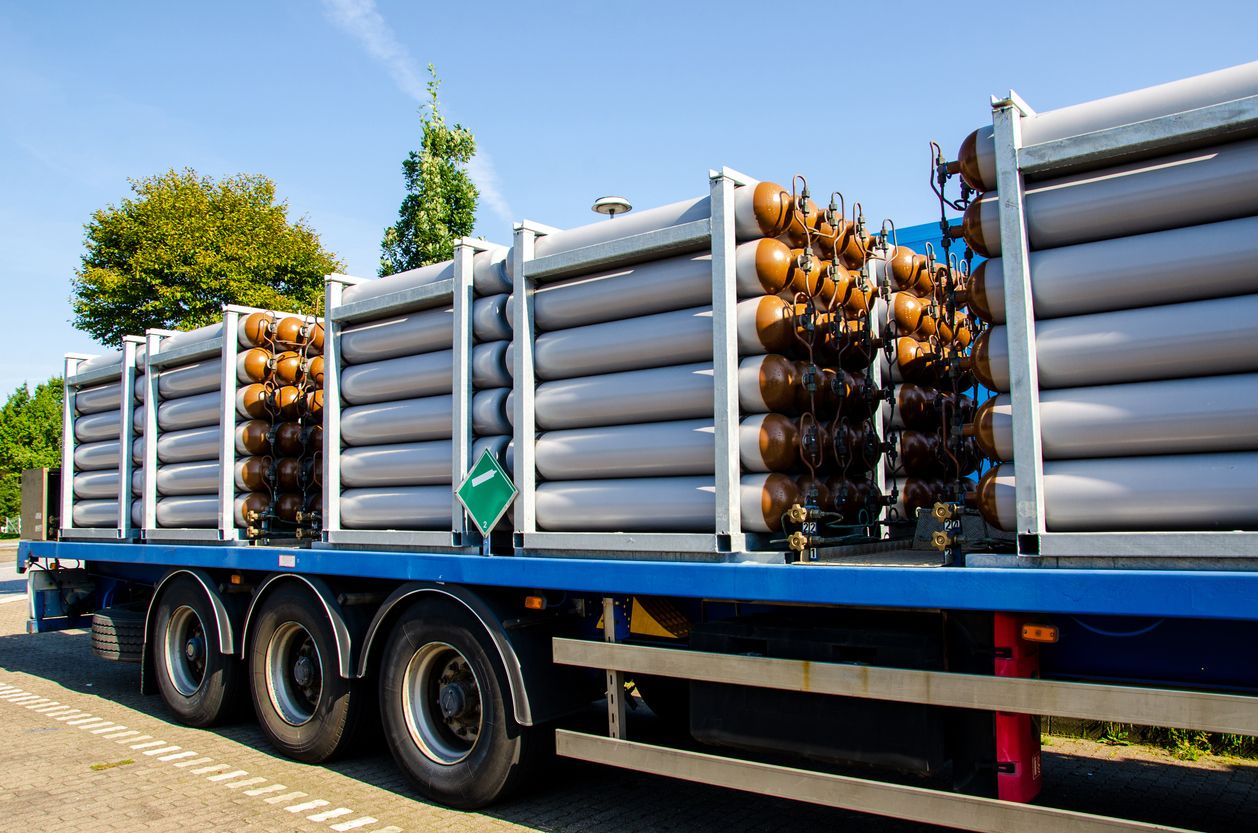
A truck with gas canisters travels through summer heat. Onboard sensors watch temperature, shock, tilt, and humidity, then send the readings over cellular the moment a threshold slips. If the load takes a hard jolt, the team knows before it becomes damage. Condition data turns a blind shipment into a monitored one.
Manage device fleets remotely
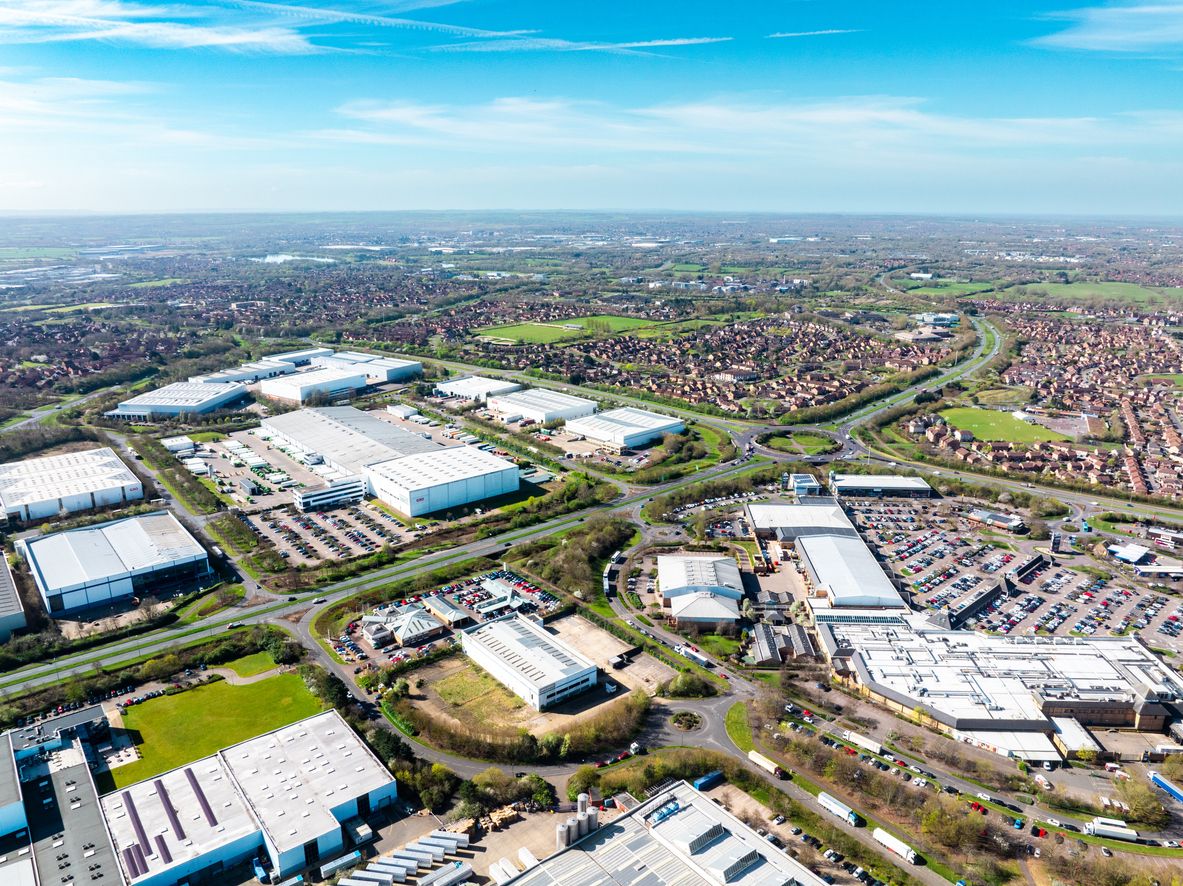
A logistics operator activates two thousand new trackers spread across a dozen depots. Instead of touching each device, the team provisions and updates SIMs over the air from one console. eSIM and eUICC technology let them switch profiles, push settings, and retire units remotely. Managing a large fleet becomes a few clicks rather than a road trip.
Recover returnable containers and pallets
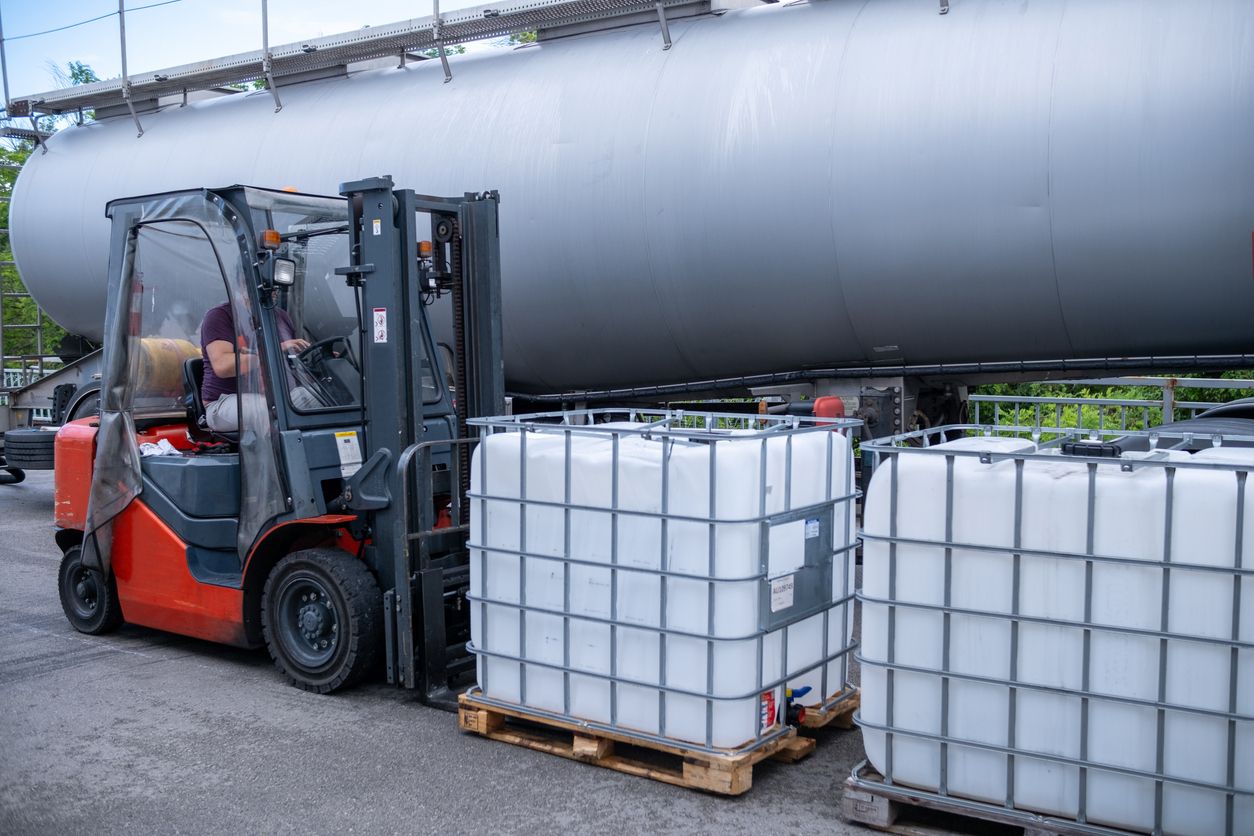
A fleet of reusable containers cycles between a plant and dozens of suppliers. Small cellular tags report each one's location and dwell time, so nothing vanishes into a partner's warehouse for months. When assets circulate on schedule, companies buy fewer replacements.
Guard cargo against theft
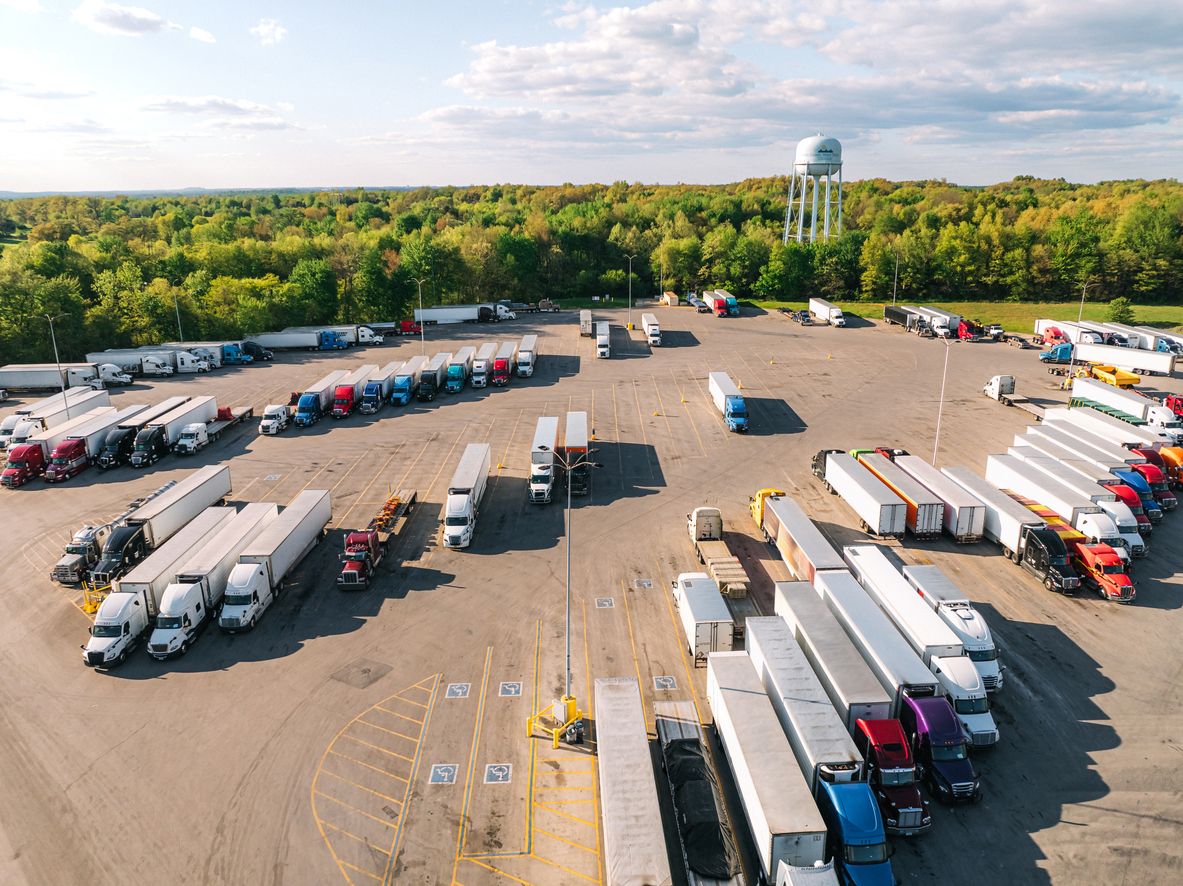
A trailer of electronics sits at the back of a rest stop. The moment its doors open or it rolls without authorization, a cellular tracker fires a tamper and geofence alert to security. That speed matters, because US supply chain crime losses surged to nearly 725 million USD in 2025, up 60% over 2024 . Always-on location and motion data give teams the minutes they need to respond.
Locate heavy equipment
A rental excavator moves between three job sites in a single week. A cellular tracker reports where it sits, how many hours it has run, and whether it left an approved zone. Live equipment data is fueling fast growth. No more walking the yard to find a missing machine.

Where asset tracking goes next
Over the next few years, asset tracking will do far more than report a dot on a map. Broadband IoT and 5G RedCap will carry richer data, so trackers can stream video, high-rate sensor feeds, and edge analytics without draining batteries. Satellite and non-terrestrial networks will close the last coverage gaps, keeping a container connected mid-ocean or a truck deep in the backcountry. On-device intelligence will let a tracker decide what matters and act on its own, flagging a problem instead of just recording it. As cellular IoT connections head toward roughly 8 billion by 2031, the assets around us will not just report their status. They will understand it.
Further reading
FAQs
What is cellular IoT asset tracking?
Cellular IoT asset tracking uses small, low-power devices that connect straight to mobile networks to report an asset's location and condition. There is no need for Wi-Fi, local gateways, or manual scans. The tracker sends data over 4G, 5G, or licensed low-power networks like LTE-M and NB-IoT, so an asset stays visible wherever it travels.
How is cellular different from GPS or Bluetooth for tracking?
GPS provides the location fix, and Bluetooth works well for short-range tags near a reader. Cellular is the wide-area link that carries that location and sensor data back to your platform in near real time. For assets that move across cities, borders, and open road, cellular delivers coverage that short-range options cannot match.
How long do cellular asset tracker batteries last?
It depends on how often the device reports and which network it uses. Low-power standards like NB-IoT and LTE-M are built for efficiency, so trackers that check in a few times a day can run for several years on one battery. Reporting every minute draws more power and shortens that window.
Is cellular IoT secure for high-value assets?
Cellular networks run on licensed, carrier-grade infrastructure with SIM-based authentication and encryption built in. That gives high-value shipments a strong security baseline, which teams extend with private networking, geofencing, and tamper alerts. Like any connected system, cellular tracking rewards good security practices, and its foundations are solid.
What is the difference between LTE-M and NB-IoT for trackers?
Both are licensed low-power networks made for IoT. LTE-M handles moving assets well, supports higher data rates, and hands off between towers, which suits trackers in transit. NB-IoT shines for stationary or slow-moving assets that send small amounts of data and need deep indoor reach and long battery life.
“Whether the customer is in Fiji or India, we can ship them a device, they power it up and it’s online. . .I’d recommend Hologram both for their platform and their people.”
Adam Brunini-Ricketts
Head of Product, Fleetsu