Connectivity
How Cellular IoT is transforming QSR automation
QSRs use Cellular IoT to automate kitchens, inventory, and payments, boosting efficiency and reliability over traditional Wi-Fi connections.

March 6, 2026
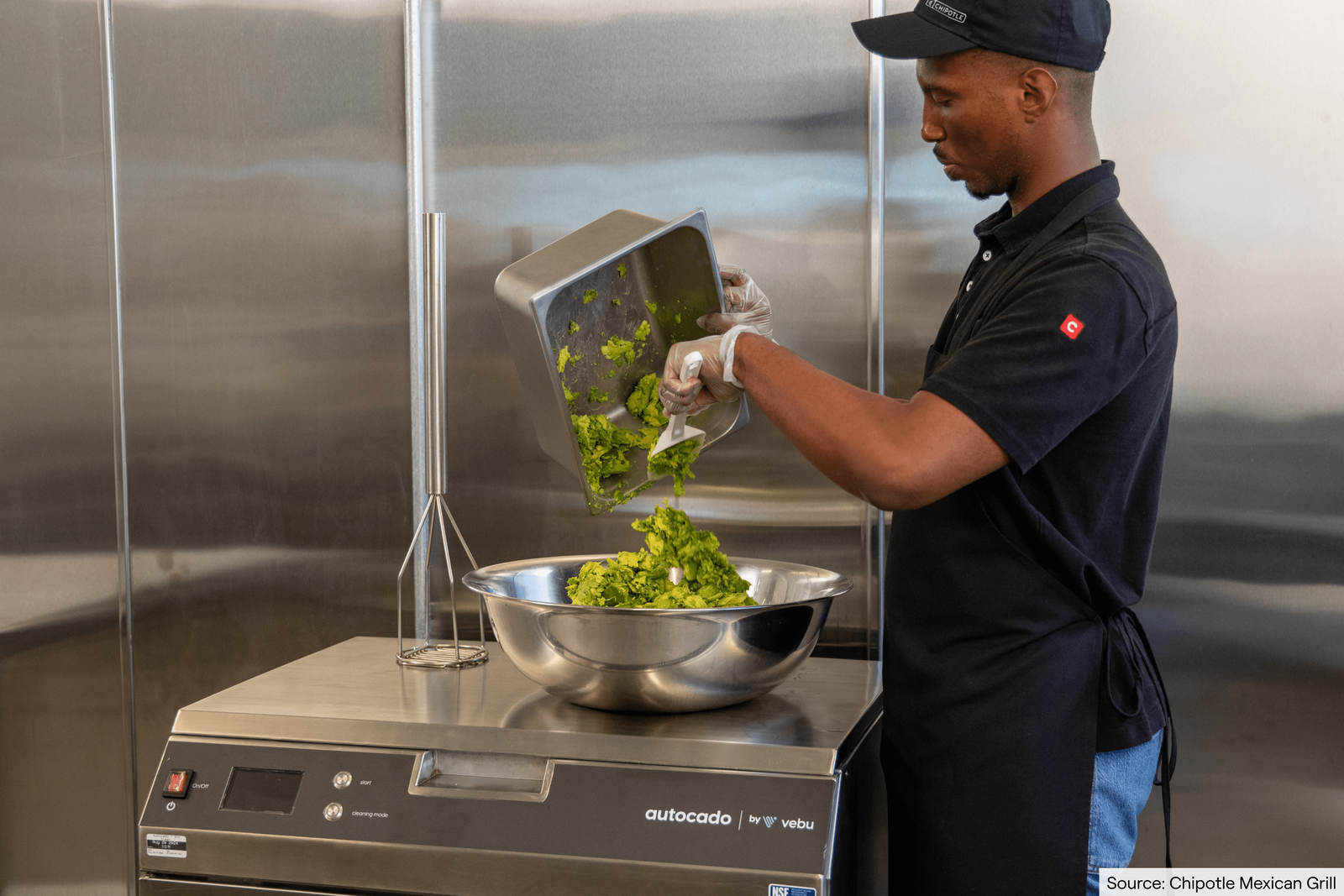
Don’t be surprised the next time you're getting a burrito at Chipotle if you see something new in the kitchen. The company recently began piloting cobots (collaborative robots) to make guacamole faster without sacrificing quality. Quick Service Restaurants (QSRs), like Chipotle, are under pressure to increase efficiency, deliver high-quality customer service, and streamline operations. Automation is rapidly gaining momentum. Cellular IoT is a key part of that transformation.
Why use Cellular IoT?
Cellular IoT outperforms traditional wired and Wi-Fi connections for QSRs because it delivers reliable, always-on connectivity without depending on local network infrastructure. This makes it ideal for mission-critical restaurant operations.
Key advantages include:
- Dedicated network access: Operates independently of store Wi-Fi, eliminating connectivity gaps
- Mission-critical reliability: Ensures continuous uptime for payments, inventory monitoring, and equipment alerts
- Seamless scalability: Deploys across hundreds of locations without on-site infrastructure changes
Plus, Cellular IoT simplifies multi-location management, allowing QSR chains to roll out automation solutions across hundreds or thousands of restaurants globally with ease. With the ability to integrate Cellular IoT devices without the need for on-site infrastructure, QSRs can achieve rapid deployment and scale their automation efforts as needed.
Save time and money with automation
Automation also plays a huge role in speeding manufacturing and controlling quality. Chipotle is now turning to automation to more quickly, efficiently, and safely make their guacamole. Dunkin’ Donuts rolled out their Smart Donut Line that produces perfect donuts in a fully automated process. They’ve been able to both increase yield, improve employee safety, and deliver the consistent brand that they are known for.
Inventory management is critical yet time-consuming for restaurant operators. Cellular IoT enables real-time tracking using smart sensors to monitor stock levels, expiration dates, and storage conditions.
- Temperature monitoring: IoT-connected refrigerators instantly notify managers when temperatures fluctuate, preventing spoilage
- Stock-level alerts: Connected scales track food usage in real-time and alert staff when inventory runs low
- Expiration tracking: Sensors monitor shelf life to reduce waste and ensure food safety
Increase efficiency with smart kitchen equipment
With Cellular IoT, kitchen equipment communicates autonomously with management systems. IoT sensors embedded in ovens, fryers, and other appliances send real-time performance data, enabling predictive maintenance alerts before failures occur.
send real-time performance data, alerting staff to maintenance needs before failures occur.~~
Benefits of smart kitchen equipment:
- Predictive maintenance: Reduces downtime and avoids costly emergency repairs
- Consistent food quality: Appliances maintain precise cooking temperatures and times
- Operational continuity: Kitchen operations run smoothly without unexpected interruptions
Lower the carbon footprint
Quick service restaurants are some of the most energy-intensive buildings. In a typical quick-service restaurant, refrigeration, lighting, and cooling make up more than half of the total energy use.
Cellular IoT-connected equipment reduces consumption by switching to low-power mode when full capacity isn't needed:
- Refrigeration systems
- Lighting systems
- HVAC units
- Kitchen appliances
Maximize profitability with data-driven insights
QSR operators need real-time visibility into their restaurant’s performance, and Cellular IoT delivers just that. Through Cellular IoT-powered remote monitoring systems, managers can track everything from kitchen appliance usage to customer traffic patterns and sales data, all from a mobile device.
This level of transparency empowers restaurant owners to make data-driven decisions, optimize staffing levels, improve menu offerings, and identify peak service times. Cellular IoT’s real-time insights enable restaurants to remain agile and responsive to market demands, leading to a more efficient operation with decreased costs and improved customer satisfaction.
Improve CX with connected POS systems
Cellular IoT shines for QSRs in their Point of Sale (POS) system. Cellular IoT-connected POS devices enable faster and more reliable transactions, even in remote or mobile environments, by bypassing local Wi‑Fi and relying on a dedicated cellular connection.
With IoT-powered POS systems, restaurants can accept payments anywhere — whether at the counter, drive-thru, or even curbside for mobile orders. By reducing the reliance on local network infrastructure, these systems ensure uninterrupted service, faster checkout, and ultimately, a better customer experience.
Automate table delivery with robots
As QSRs continue to embrace automation, the idea of robotic servers delivering meals to tables is becoming increasingly common. Cellular IoT-powered robots are now being used to navigate the dining area, carrying orders directly from the kitchen to the customers’ tables. These robots use advanced sensors and cameras connected via Cellular IoT networks to avoid obstacles, map out the restaurant layout, and deliver meals efficiently and safely.
Once an order is placed, IoT-powered robots autonomously retrieve meals and deliver them to the correct table using order numbers or table beacons. This reduces reliance on staff for food delivery while ensuring faster, more consistent service during peak peak hours.
Speed service with drive-thru automation and smart menus
Drive-thrus are the lifeblood of many QSRs, but they often suffer from bottlenecks and slow service. Cellular IoT automates drive-thru operations in several ways:
- Smart cameras: Track vehicles and calculate wait times to optimize throughput
- Dynamic menu boards: Automatically update based on inventory levels or customer preferences
- AI-driven upselling: Display real-time suggestions and promotions to increase order value
Increase engagement with loyalty programs
Beyond operational efficiency, Cellular IoT also plays a crucial role in increasing the customer experience and loyalty. IoT-powered kiosks and mobile apps allow customers to place orders independently, customize their meals, and make payments effortlessly. The data collected through these interactions can feed into loyalty programs that offer personalized rewards and incentives, boosting repeat business.
Since Cellular IoT does not need to rely on Wi-Fi for activation or operation, it's the #1 connectivity choice for QSRs.
- Pat Wilbur, CTO, Hologram
Cellular IoT powers automation
The future of QSRs is automation, and Cellular IoT technology is at the heart of this transformation. By leveraging IoT for inventory management, smart kitchen equipment, POS systems, drive-thru automation, and more, QSRs can operate more efficiently, reduce costs, lower their environmental footprint, and enhance the overall customer experience.
Chipotle's innovative approach to leveraging automation in their kitchens is just one sign of where the industry is heading. For restaurant operators looking to stay competitive, embracing Cellular IoT and automation solutions is no longer optional — it's essential. The future is connected, and for QSRs, the time to automate is now.
Hologram delivers outage-free connectivity
Count on Hologram for:
- The highest levels of reliability. The new Hologram Dual-Core SIMs feature two fully independent mobile cores on each SIM that seamlessly switch to a backup core in the event of an outage.
- Guaranteed uptime commitment. Hologram includes uptime guarantees in our contracts and 24/7 support to resolve any issues quickly.
- Exceptional performance: Hologram’s low latency and high throughput solution can handle the volumes of data produced by these mission-critical use cases.
- Simplified management. With the Hologram Dashboard and analytical tools, you get real-time visibility into device activity and performance, so you can keep operations running smoothly.
- Global coverage. Hologram seamlessly connects to carriers across the world to ensure your user experience is consistent.
Frequently asked questions
What is Cellular IoT in quick service restaurants?
Cellular IoTconnects restaurant equipment, like refrigerators, POS systems, and kitchen appliances, directly to cellular networks, enabling real-time monitoring and control without relying on local Wi-Fi or wired infrastructure.
How does Cellular IoT improve QSR inventory management?
Smart sensors track stock levels, expiration dates, and storage conditions in real time, sending instant alerts when temperatures fluctuate or inventory runs low to prevent spoilage and stockouts.
Why do QSRs choose Cellular IoT over Wi-Fi?
Cellular IoT operates on dedicated networks independent of store Wi-Fi, delivering continuous uptime for mission-critical operations like payments and equipment monitoring across hundreds of locations without on-site infrastructure changes.
What kitchen equipment uses Cellular IoT automation?
Ovens, fryers, refrigerators, HVAC systems, and lighting connect via Cellular IoT to send real-time performance data, enabling predictive maintenance and automatic low-power modes when full capacity isn't needed.
How do robotic servers use Cellular IoT in restaurants?
Robots navigate dining areas using sensors and cameras connected via cellular networks to avoid obstacles, map layouts, and deliver meals from kitchen to table using order numbers or table beacons.
Can Cellular IoT reduce energy costs in QSRs?
Yes. Connected refrigeration, lighting, HVAC, and kitchen appliances automatically switch to low-consumption mode during off-peak periods, reducing energy use in buildings where these systems account for over half of total consumption.
How does Cellular IoT speed up drive-thru service?
Smart cameras track vehicles and calculate wait times while dynamic menu boards update in real time based on inventory levels and customer preferences, displaying AI-driven upsell suggestions to increase order value.
What data can QSR managers track with Cellular IoT?
Managers monitor kitchen appliance usage, customer traffic patterns, sales data, equipment performance, and inventory levels from mobile devices to optimize staffing, improve menus, and identify peak service times.