Use cases
Automotive cellular IoT: Driving connected vehicle innovation
Whether it's enhancing vehicle performance and safety, improving the customer experience, or unlocking new revenue streams, cellular IoT is driving the future for automotive OEMs.

May 28, 2026
Key takeaways
- Automotive cellular IoT integrates 4G LTE, LTE-M, NB-IoT, and 5G connectivity into vehicles to enable real-time cloud communication, over-the-air updates, and connected services across global markets.
- V2V communication allows vehicles to share speed, location, and direction data for collision avoidance, while V2X extends connectivity to infrastructure like traffic lights for smart city integration in a market growing at 25.8% CAGR through 2030.
- OTA software updates eliminate dealership visits for feature rollouts, security patches, and recall fixes, with projected savings of $1.5 billion for US automakers by 2028.
- EV manufacturers leverage cellular IoT for real-time battery health monitoring, remote charging management, and smart grid integration to optimize energy efficiency and extend vehicle value.
What is automotive cellular IoT?
Automotive cellular IoT is the integration of cellular network connectivity (4G LTE, LTE-M, NB-IoT, and 5G) into vehicles, components, and infrastructure to enable real-time cloud communication. This technology delivers always-on, wide-area coverage that allows modern vehicles to operate intelligently across cities, regions, and continents.
For automotive OEMs, this means embedding SIM-enabled modules into vehicles to transmit data, receive software updates, and power connected services in real time. From passenger cars and commercial fleets to electric vehicles and charging infrastructure, cellular IoT is the connective tissue that makes today's smart, software-defined vehicles possible.
Global, reliable connectivity anywhere
Automotive OEMs need connectivity that works across borders. Cellular IoT provides seamless, global coverage, ensuring vehicles remain connected no matter where they are which is critical for OEMs manufacturing in international markets.
Key features that depend on reliable connectivity include:
- Over-the-Air (OTA) updates: Remote software deployment without dealership visits
- Real-time diagnostics: Continuous vehicle health monitoring
- Navigation systems: Live traffic and routing data
Cellular IoT's multi-carrier redundancy guarantees uptime, even in areas with limited network options.
For EV manufacturers, global cellular connectivity ensures that charging station locators, battery performance monitoring, and energy optimization tools remain fully functional, delivering a hassle-free driving experience for EV owners.
Improving safety with V2V and V2X communication
Vehicle-to-vehicle (V2V) communication enables vehicles to share real-time information like speed, location, and direction with 360-degree awareness. This allows vehicles to anticipate hazardous events and take action to avoid accidents, particularly in low-visibility conditions and heavy traffic.
Vehicle-to-everything (V2X) enables communication between vehicles and infrastructure like traffic lights and road systems. This connectivity supports intelligent transportation and traffic management, key to global smart city growth. This market is projected to grow at a CAGR of 29.4% from 2025 to 2030.
Both technologies are essential for EV manufacturers expanding autonomous driving.
Enhancing vehicle performance with real-time data
Connected vehicles generate vast amounts of telematics data, from engine diagnostics to driver behavior. Cellular IoT enables OEMs to collect and analyze this data in real time. This helps OEMs detect issues before they become major problems, saving both time and money for manufacturers and vehicle owners.
Electric vehicles benefit even more from this feature. Cellular IoT allows EV manufacturers to monitor battery health, energy consumption, and battery range in real time. This data can be used to improve battery longevity and help customers plan their trips with confidence.
Over-the-air updates for an exceptional user experience
Cellular IoT enables OTA software updates, enabling OEMs to roll out new features, security patches, product recalls, or bug fixes instantly. Eliminating the need to take the vehicle for service not only improves customer satisfaction, but also reduces operational costs for OEMs. One study estimates that by 2028, using OTA updates will save US automakers $1.5 billion by remotely implementing fixes to product recalls.
For EV manufacturers, OTA updates are crucial for refining battery management systems and introducing new software features that enhance energy efficiency and driving range. These updates also ensure that vehicles stay aligned with the latest technology trends, extending their value over time.
Driving innovation with connected features
Connectivity is the foundation for many of the innovative features customers expect in today's vehicles. Cellular IoT powers advanced driver-assistance systems (ADAS), in-car entertainment, real-time traffic updates, and safety features like emergency crash response.
EV manufacturers are leveraging cellular IoT to introduce connected features, particularly around EV charging and energy management, that set their vehicles apart:
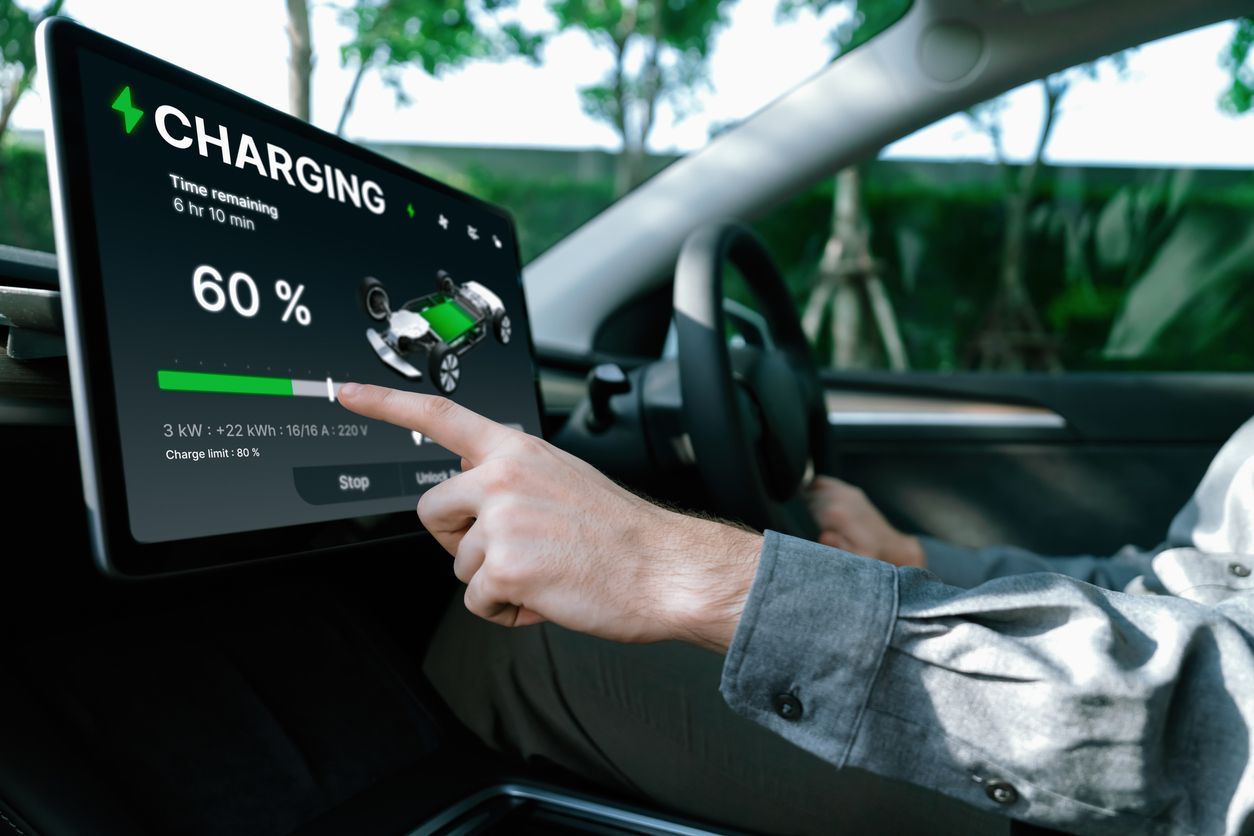
- Remote charging management: Drivers can start, stop, and monitor charging through mobile apps
- Smart grid integration: EVs communicate with energy grids to optimize charging schedules and reduce costs
- Energy usage tracking: Real-time visibility into consumption patterns and efficiency
Challenges and considerations
While the benefits of cellular IoT for automotive are substantial, OEMs must navigate key considerations to realize them at scale:
- Network coverage and reliability: Vehicles travel through urban centers, remote highways, and across borders all demand redundant, multi-carrier connectivity that fails over seamlessly when a single network underperforms.
- Security and data privacy: Connected vehicles transmit sensitive information (location, driver behavior, diagnostics) that requires end-to-end encryption, secure authentication, and rigorous data governance. OEMs need connectivity partners who support compliance without slowing innovation.
- Operational scalability: Managing connectivity across millions of vehicles in multiple regions requires centralized device management , real-time diagnostics, and flexible carrier switching throughout the vehicle lifecycle.
Cellular IoT is the key to automotive innovation
Cellular IoT connectivity is transforming the automotive industry, offering OEMs the tools they need to stay competitive. Real-time data collection, global connectivity, and OTA updates deliver measurable value. For EV manufacturers, the advantages extend further into better battery management, smarter charging solutions, and connected features that differentiate their vehicles.
By adopting cellular IoT, automotive OEMs can deliver more reliable, efficient, and enjoyable vehicles, driving innovation and customer satisfaction while opening the door to new revenue opportunities. The road ahead is connected and cellular IoT is leading the way.
FAQs
What is automotive cellular IoT?
Automotive cellular IoT integrates 4G LTE, LTE-M, NB-IoT, and 5G connectivity into vehicles to enable real-time cloud communication. This technology allows vehicles to transmit data, receive software updates, and power connected services across cities, regions, and continents.
How does V2V differ from V2X communication?
V2V (vehicle-to-vehicle) enables cars to share speed, location, and direction data with each other for collision avoidance, while V2X (vehicle-to-everything) extends this communication to infrastructure like traffic lights and road systems for traffic optimization and smart city integration.
What are OTA updates in connected vehicles?
Over-the-air (OTA) updates allow automotive manufacturers to remotely deploy software features, security patches, and bug fixes to vehicles without requiring dealership visits. By 2028, OTA updates are projected to save US automakers $1.5 billion by remotely implementing product recall fixes.
How does cellular IoT improve EV battery management?
Cellular IoT monitors battery health, energy consumption, and driving range in real time, allowing EV manufacturers to improve battery longevity and help drivers plan trips with confidence. This connectivity also enables remote charging management and smart grid integration to optimize charging schedules.
What security challenges do connected vehicles face?
Connected vehicles transmit sensitive data including location, driver behavior, and diagnostics that require end-to-end encryption, secure authentication, and rigorous data governance. Automotive manufacturers need connectivity partners who support compliance while maintaining innovation speed.
How does cellular IoT enable real-time vehicle diagnostics?
Cellular IoT allows manufacturers to collect and analyze vehicle data like engine diagnostics and driver behavior in real time, detecting issues before they become major problems. This continuous monitoring saves time and money for both manufacturers and vehicle owners.